


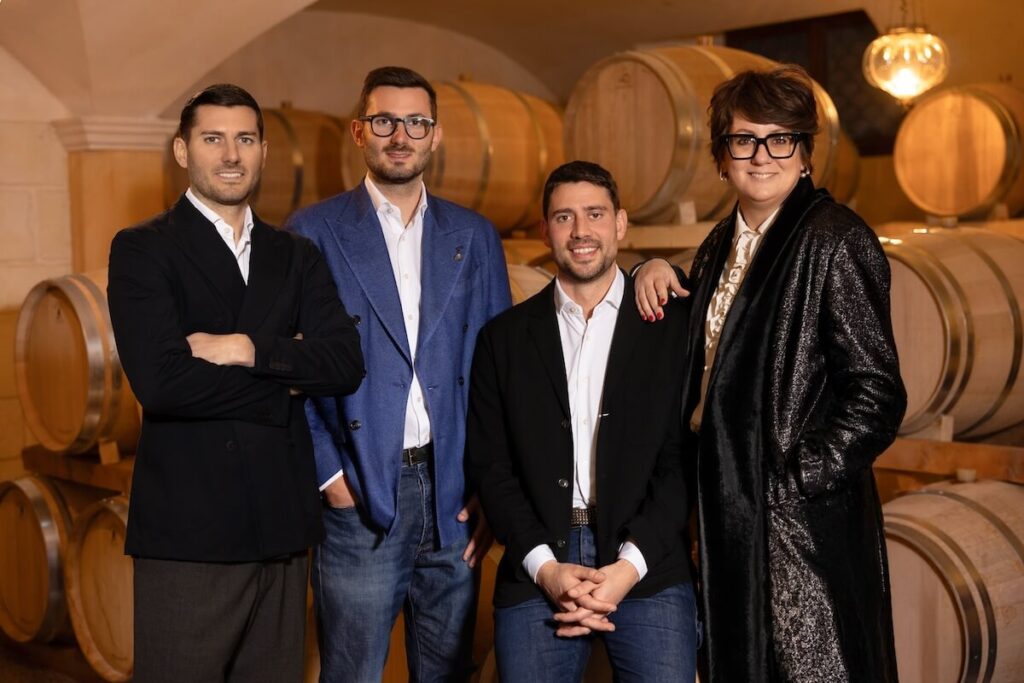
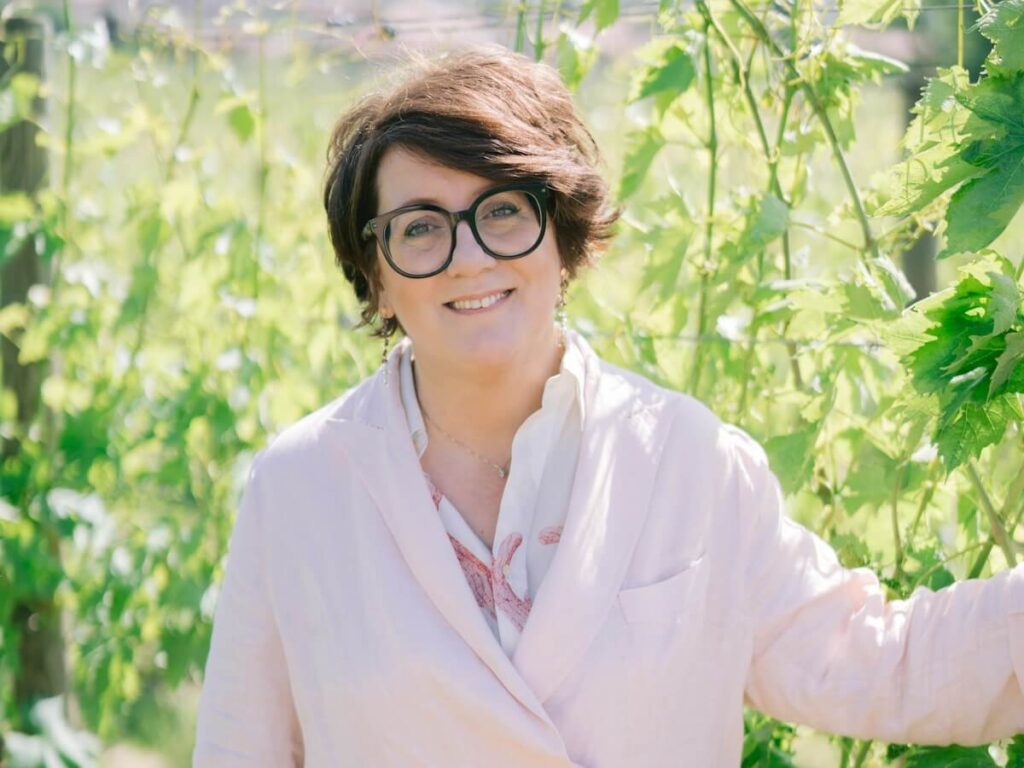
Sustainability in wine is made up, first and foremost, of numbers, certifications and agronomic practices. Today, though, for many companies it has come to take on a deeper meaning: that of a broader vision, one that widens its horizons by engaging with the territory, the supply chain and the community, even shaping how a winery interprets its own cultural role. This is the direction taken by Allegrini Wines through Allegreen, a project that over the years has evolved from a set of good practices into a genuine company language. From protecting biodiversity to the Arnia protocol dedicated to grape suppliers, all the way to educational activities aimed at younger generations, the Verona-based winery is building a model that brings together environmental, economic and social dimensions. We spoke about it with Silvia Allegrini, who leads the company together with her cousins Francesco, Matteo and Giovanni.
Where does the evolution of the Allegreen project stand today, now increasingly a brand language?
The Allegreen project stems from concrete practices, initially tied mainly to agronomic management and environmental sustainability. Over time, though, it has taken on a broader meaning, evolving from a set of technical practices into a genuine cultural approach to doing business. The main evolution lies not so much in introducing new tools, but in a shift in perspective: less self-referentiality and greater awareness of the role a historic, well-established company must play toward its own territory.
This brings with it a specific responsibility: contributing to the quality of the landscape, enhancing local communities and building authentic relationships with the people who live in and visit these places, including through initiatives such as supporting FAI as a Corporate Golden Donor.
Today Allegreen runs through the entire company. It shapes how we produce, how we welcome guests and how we collaborate with the territory. Growing attention is being paid to synergies with small local artisan businesses, since contemporary wine tourism seeks experiences capable of telling the story of a territory in its entirety. The role of the winery itself is changing too: no longer a closed, selective place, but an open space, capable of creating culture and bringing people together. Today we’re probably at the stage where sustainability stops being a technical goal and becomes an integral part of our identity and our cultural responsibility.
At Allegrini Wines, sustainability is now built into the business model: but how does it translate into everyday practice?
For us, sustainability is first and foremost a daily approach. It isn’t treated as a separate area, but as an element that increasingly shapes how we make decisions and build value over time. On the environmental front, it means protecting the soil, managing resources responsibly and paying close attention to biodiversity.
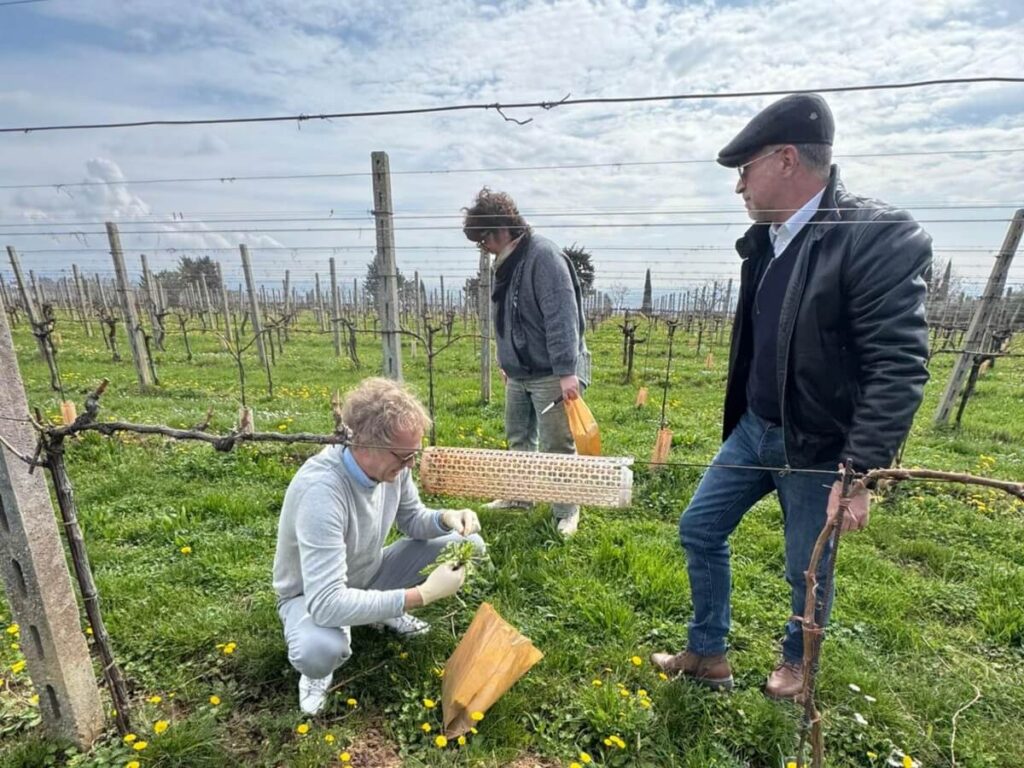
Today around 35% of the company’s land isn’t planted with vineyards, but kept as woodland, meadows and natural areas. Beehives are present in the main vineyards, and the company holds Biodiversity Friend and Biodiversity Friend Beekeeping certification, confirming a structured, measurable path.
The codification of good agronomic practices is also guaranteed by Equalitas certification. On the economic front, sustainability means building a solid, lasting model, capable of withstanding climate variability, market instability and new regulatory requirements. It means investing in process quality, traceability and long-term planning.
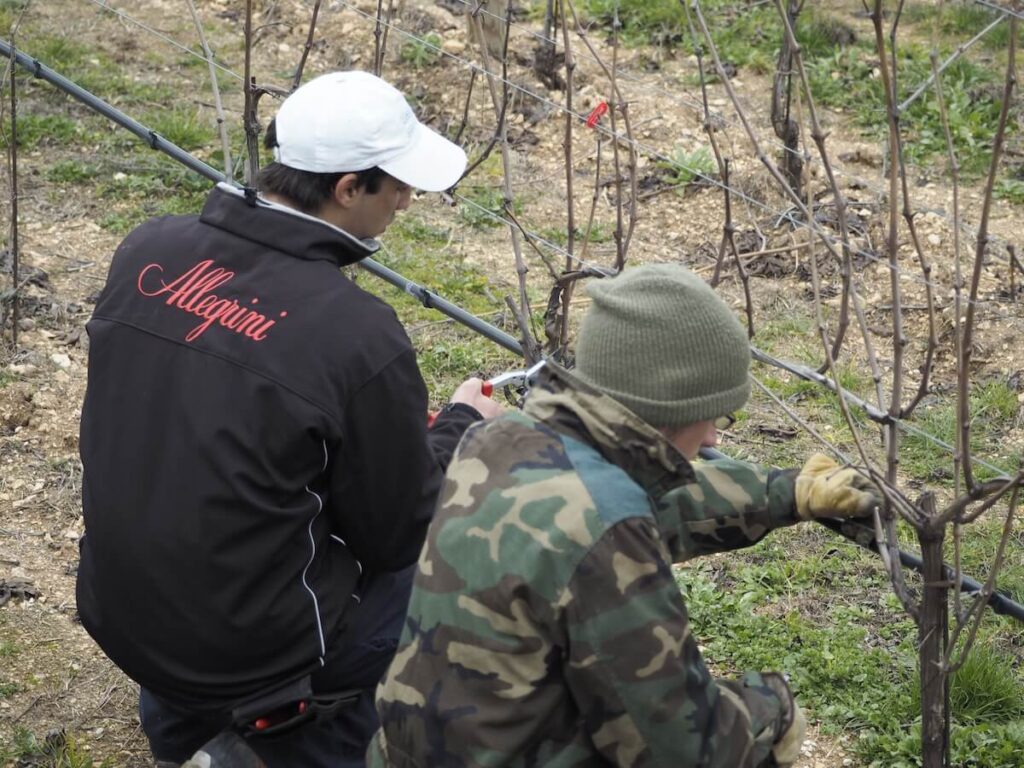
The social dimension, meanwhile, concerns our relationship with people and the territory. We’re progressively involving our staff in sustainability initiatives and developing partnerships with schools, universities and local communities. We work with the Master in Food & Wine Communication at IULM University, with the University of Gastronomic Sciences in Pollenzo, and with the Simonit & Sirch Vine Master Pruning Academy. In this sense, sustainability becomes a way of interpreting the company’s role within the territory and over time.
The Arnia protocol is one of the most interesting projects in your supply chain: what challenges does it pose today, and what developments do you envision for the future?
Arnia was born out of the desire to build a more structured, collaborative supply chain, offering grape suppliers a price above market standards, tied to compliance with specific quality and operational parameters.
The main challenge today is maintaining a balance between economic sustainability, production quality and the growing complexity of the agricultural landscape. Growers are being asked for an ever-greater effort in terms of agronomic management, environmental care and consistent quality, in a scenario marked by climate variability and rising production costs.
That’s why the project relies heavily on the concept of a network: selecting partners, providing ongoing technical support, sharing sustainable practices and maintaining constant quality control. The goal isn’t to standardize, but to create a network capable of showcasing different skills and territories while maintaining a shared vision.
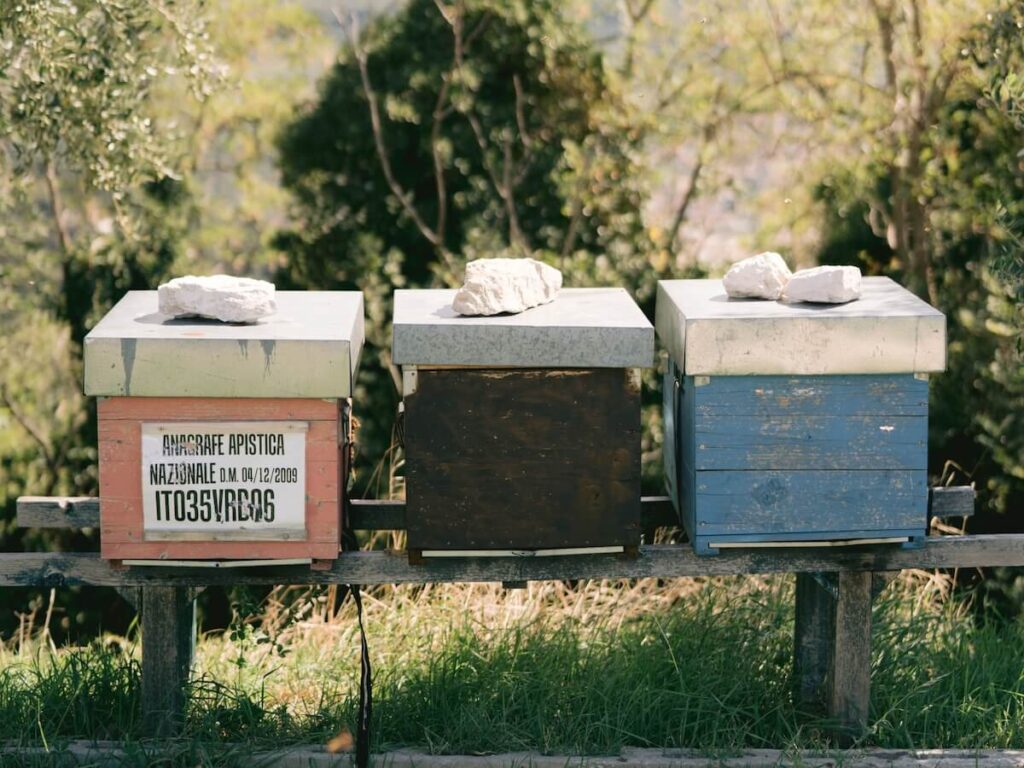
Future developments will move increasingly toward an integrated, transparent supply chain, where sustainability, quality and economic recognition are closely linked.
Looking ahead, models like Arnia could help not only with wine quality, but also with the social and agricultural resilience of the territory, offering grape suppliers a price above market standards tied to compliance with specific quality and operational parameters.
How is this vision also shaping the redefinition of Corte Giara?
Corte Giara has always been a line strongly tied to collaboration with local growers. Today, through the Arnia network, this relationship becomes even more structured, based on sharing agronomic practices, technical assistance and common goals.
This approach also shapes the brand’s identity: greater attention to grape provenance, product transparency, reducing environmental impact, and a contemporary style that remains firmly rooted in the territory.
Sustainability isn’t used as a mere communication tool, but as a means of making Corte Giara a more coherent, transparent project. This also shows in the packaging choices: FSC-certified paper, lightweight bottles, reduced-impact capsules and natural corks with an integrated carbon footprint.
The activities dedicated to bees and children, between vineyard and cellar, open up a new perspective for wine: how much does the educational dimension matter today in Allegrini Wines’ strategy?
It matters enormously. We firmly believe that the relationship between wine, territory and sustainability needs to be understood and experienced first, not simply talked about.
The activities designed for children stem precisely from the idea of bringing people closer to the agricultural world in a direct, engaging way. Even before conveying technical content, we want to spark curiosity and familiarity with the rural environment.
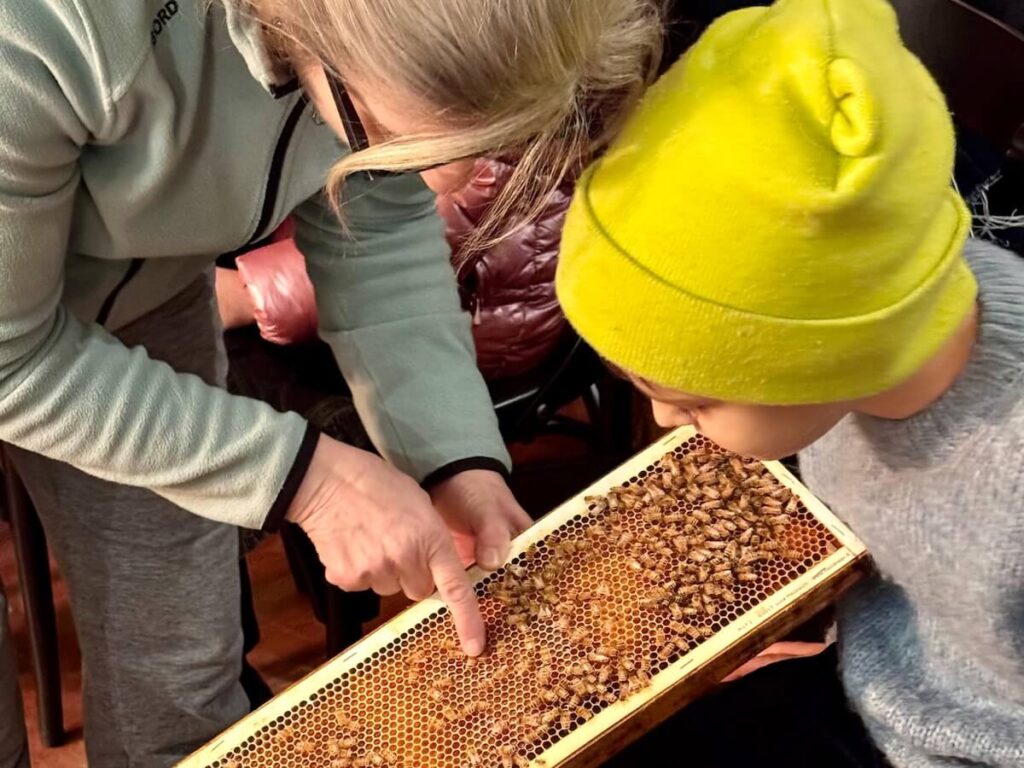
Bees are an extraordinary tool for explaining concepts like biodiversity and ecosystem balance. Alongside these activities, we develop partnerships with schools and universities, also supporting scholarships dedicated to students in the Master in Food & Wine Communication at IULM University, as well as the Franco Allegrini scholarship at the University of Gastronomic Sciences in Pollenzo, established by Carlin Petrini and Roberto Anselmi.
The return we expect is, first and foremost, cultural. We want to help build greater awareness of the agricultural landscape and of the value hidden behind a product like wine.


