

As announced at Vinitaly, Famiglie Storiche continues its program focused on the German-speaking market for autumn activities. The format includes the Masterclass “Amarone Fine and Contemporary: exploring elegance in 2009 and 2019 vintages” and a walk around tasting, in fact, it has been successfully exported to Switzerland and Germany.
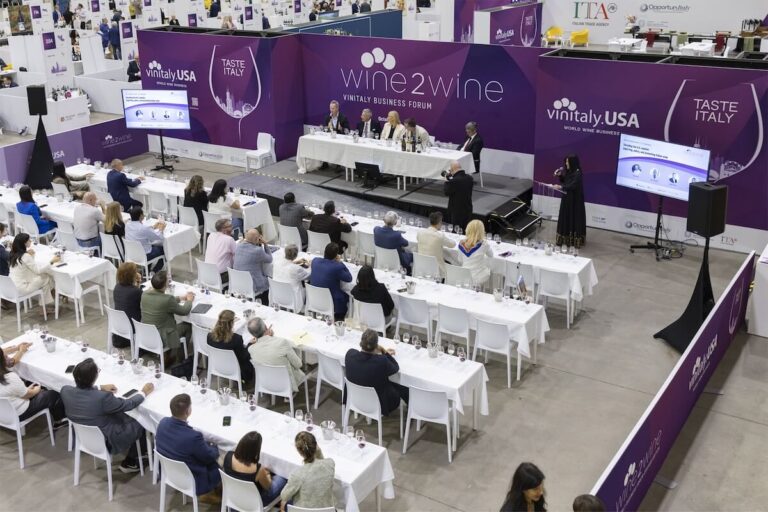
The two events, held on September 16 in Zurich and September 17 in Hamburg, saw the Famiglie Storiche association present itself to journalists and operators in the sector, in collaboration with the magazines Vinum and Falstaff.
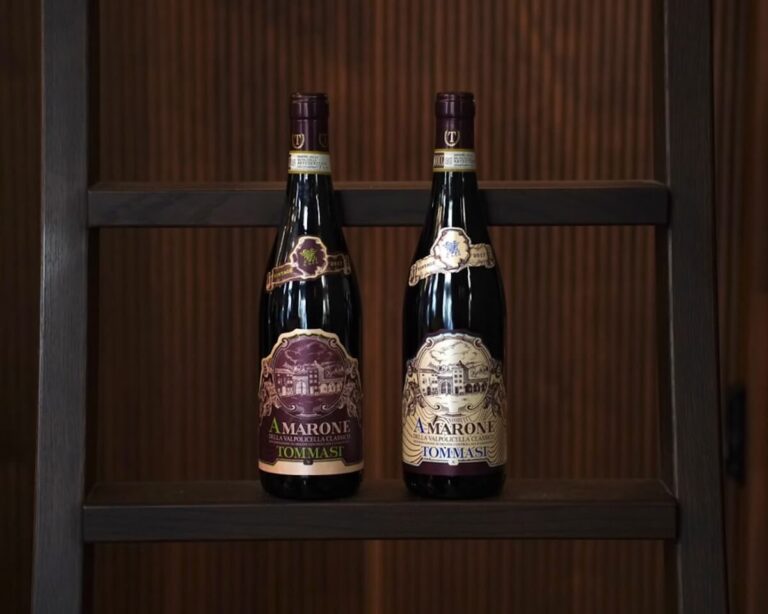
“Paying attention to Amarone means discovering a contemporary and refined wine, a true fine wine”, says Pierangelo Tommasi, president of Famiglie Storiche. “The German market is an important reference: Switzerland appreciates high-quality and collectible wines such as Amarone, while Germany, with its long history of appreciation for the wines of Valpolicella, continues to be a key market for us”.
During the events, a tasting of 13 Amarones was offered, one for each historic family, to compare the 2009 and 2019 vintages. In Zurich and Hamburg, the places for the masterclass were sold out, and the subsequent walk-around tastings involved buyers, industry professionals and, in part, the public. Each winery presented three wines: Amarone, Valpolicella, Valpolicella Ripasso and Recioto.
The 2024 Harvest of the Famiglie Storiche
The month of September was intense for the association, also busy with the 2024 harvest, marked by high temperatures and a delay in the ripening of the grapes. However, with the rains of September and the drop in temperatures, the situation stabilized, favoring an optimal ripening of the grapes.
“Overall, the vintage can be considered average, despite the yields being rather low. As for the grapes destined for the production of Amarone, we will have to wait until the end of the drying process to express a definitive judgment. The wines will certainly reflect our territory and the climatic season. The work carried out in the countryside, as always, was fundamental for the vine to best express its potential”, concludes Pierangelo Tommasi.