


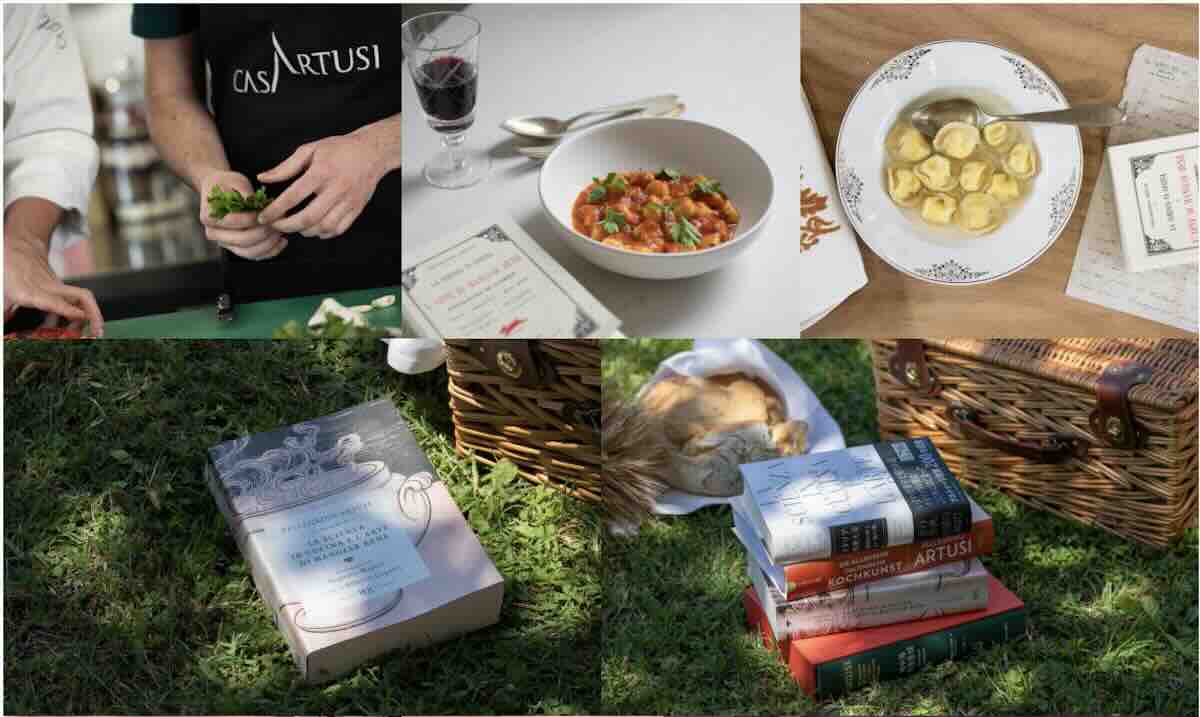
Italian Cuisine has been recognized as UNESCO Intangible Cultural Heritage of Humanity under the element titled “Italian cooking, between sustainability and biocultural diversity”. The decision was taken during the 20th session of the Intergovernmental Committee for the Safeguarding of Intangible Cultural Heritage, held in New Delhi (India). Here’s how the wine world celebrates this achievement.
An Important Journey Toward a Well-Deserved Recognition
December 10, 2025 marks an important date for a recognition that came after the candidacy promoted by the Italian Government—through the Ministry of Culture and the Ministry of Agriculture, Food Sovereignty and Forests—driven by three proposing communities: Fondazione Casa Artusi of Forlimpopoli, Accademia Italiana della Cucina, and the magazine La Cucina Italiana.
Casa Artusi and Italian Cuisine
What does it mean to be UNESCO Intangible Cultural Heritage? According to the 2003 Convention, intangible cultural heritage refers to practices, representations, expressions, knowledge, and skills that communities recognize as part of their heritage.
The submitted dossier describes Italian cuisine as a mosaic of traditions: a system of social practices, rituals, and knowledge intertwining agricultural biodiversity, typical products, food craftsmanship, local markets, family recipes, and conviviality. The process began in 2020 and required over five years of work. In March 2023, the Italian Government officially presented the candidacy. On November 10, 2025, UNESCO’s evaluation body issued a favorable opinion, leading to today’s decision adopted on December 10, 2025 by the Intergovernmental Committee.
Among the main gastronomic traditions already listed: traditional Mexican cuisine (2010), the “gastronomic meal of the French” (2010), Japanese Washoku (2013), and the Mediterranean Diet (since 2010).
“UNESCO’s recognition of Italian Cuisine as Intangible Cultural Heritage of Humanity is well deserved,” said Andrea Segrè, President of Casa Artusi. “From Pellegrino Artusi, the father of modern Italian cuisine, this heritage has grown in cultural biodiversity and sustainability. Now, however, we must preserve it.”
Italian Cuisine and UIV: “Food and Wine, an Indissoluble Pairing”
Following the recognition of Italian Cuisine as UNESCO Intangible Cultural Heritage, UIV (Unione Italiana Vini) expressed its satisfaction. These are the words of President Lamberto Frescobaldi:
“For Italian Cuisine, this is a lifetime achievement award—with many centuries still ahead. And the Italian wine world rejoices because it is part of it: alongside Italian Cuisine at the table, there is also its wine. We share what Prime Minister Giorgia Meloni stated: Italian Cuisine is also wealth and employment. And wine contributes significantly to these aspects—which are not only intangible—with a positive trade balance of about €7.5 billion per year.”
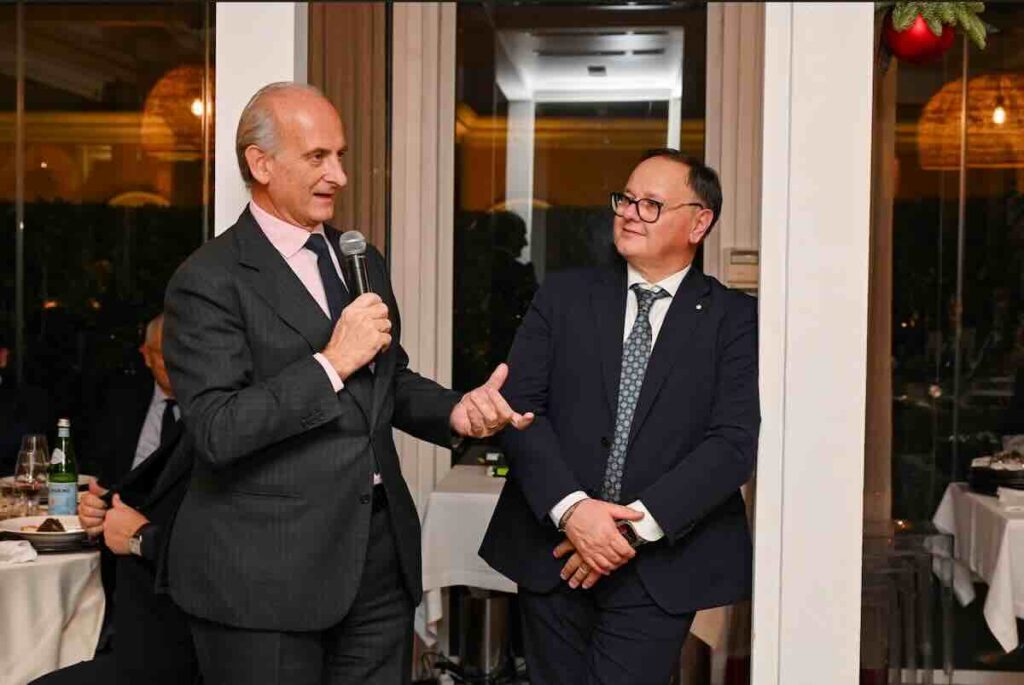
Paolo Castelletti, UIV Secretary General, added:
“It is a day of great pride, achieved thanks to the determination of the Italian Government, starting with the Ministers of Agriculture, Francesco Lollobrigida, and Culture, Alessandro Giuli. We are now ready to share this pride worldwide, also through a campaign that combines into one body what has always been a symbol of Italian craftsmanship.”
Federvini: “Historic Milestone: Wines, Spirits, and Vinegars Are the Soul of Conviviality”
“We welcome this news with immense satisfaction and pride. Wines, spirits, and vinegars have always been an integral and inseparable part of Italian cuisine—foundational elements of that ritual of conviviality the world envies and now celebrates,” commented Giacomo Ponti, President of Federvini.
“This recognition rewards not only dishes but the entire culture of the table, where our wine excellences, spirits, traditional liqueurs, and vinegars play a leading role in defining national gastronomic identity. It is the victory of a supply chain that has preserved tradition while looking to the future.”

Federvini emphasizes that this milestone celebrates not just recipes but a collective heritage that identifies Italy worldwide, capable of transmitting values of sharing and sustainability. In this context, the role of wines, spirits, and vinegars emerges as a fundamental pillar of the successful candidacy. Indeed, there is no Italian table culture without the skillful pairing with the fruits of our centuries-old winemaking, distilling, liqueur-making, and vinegar traditions.
Veronafiere: “A Journey That Began at Vinitaly 2023—A Success for the Italy System”
Veronafiere celebrates the inclusion of Italian Cuisine in the UNESCO list, recalling how the journey began at Vinitaly 2023 with a toast that today has turned into international recognition.
“As Veronafiere, we want to congratulate the entire Italy system for this achievement. It is a recognition that adds even more value to the extraordinary food and wine richness of our country and strengthens wine, food, extra virgin olive oil, and restaurant businesses,” said Federico Bricolo, President of Veronafiere, present in New Delhi for the Vinitaly Preview.
The trade fair organization will continue to support the promotion of Made in Italy through its network of international events—from Vinitaly to Sol Expo and Fieragricola—to accompany Italian companies in global markets and enhance values of quality, health, and sustainability.


