


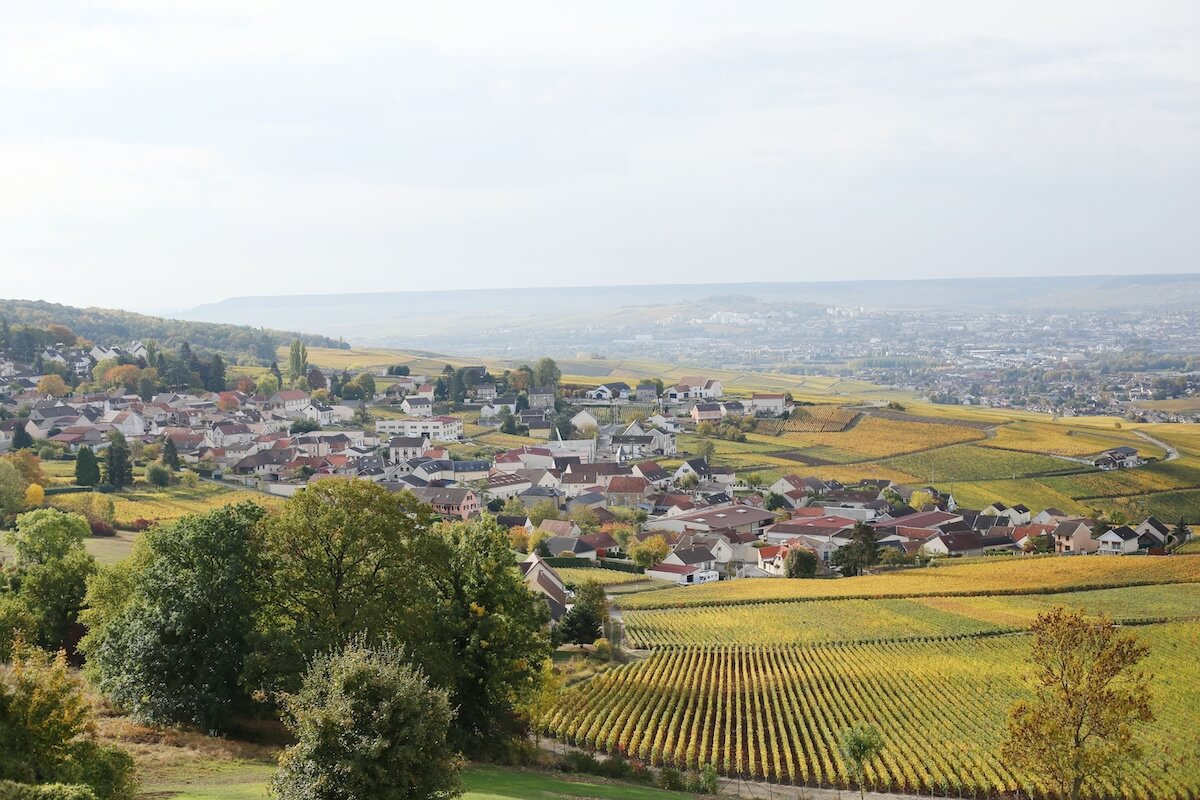
The Champagne industry has unveiled “Stronger Together”, its Social Responsibility Impact Report, outlining a shared vision for sustainable development that integrates economic, environmental, and social dimensions. This strategic plan involves 16,200 winegrowers, 390 Maisons, and 125 cooperatives, aiming to tackle global challenges and ensure Champagne’s excellence over time by achieving carbon neutrality by 2050 and significantly reducing emissions.
Champagne Targets Net Zero by 2050
Champagne was the first wine region in the world to conduct a greenhouse gas emissions inventory back in 2003.
In 2022, the sector set its goal: carbon neutrality by 2050, aligned with the Paris Agreement. To achieve this, the industry plans to cut emissions by 75%, offsetting the remainder through compensation measures.
The first milestone was reached in 2025: -25% emissions compared to initial levels.
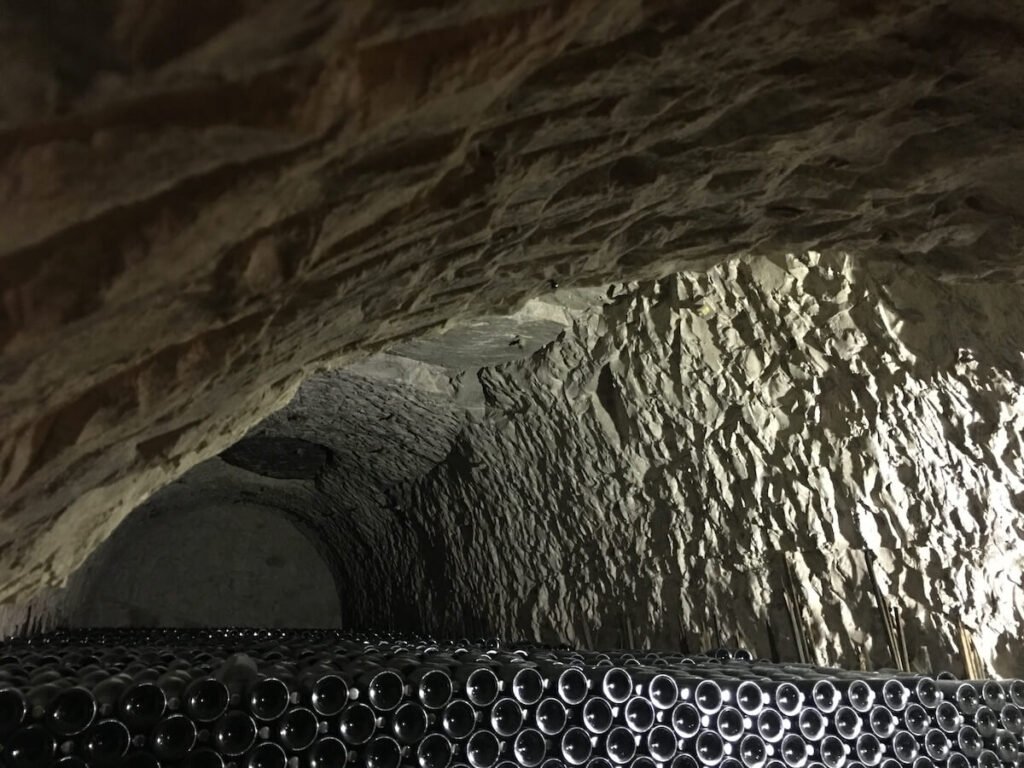
Sustainable Viticulture and Biodiversity
For over 30 years, Champagne has worked to reduce the use of plant protection products, achieving remarkable results:
- -95% insecticides
- 15% fewer herbicides
- 50% reduction in chemical fertilizers thanks to alternative practices and organic fertilization
Currently, 68% of vineyard surfaces are certified, with a target of 100% by 2030. The industry invests in research to combat climate change, experimenting with new grape varieties like Voltis and participating in projects such as Qanopée, focused on plant material safety.
Circular Economy and Resource Recovery
Each year, Champagne processes around 10,000 tons of materials, with a 92% recovery rate. Since 2014, 100% of wine effluents have been treated, while 110,000 tons of winemaking by-products and 80,000 tons of pruning wood are valorized.
The region also strengthens its role as a territorial driver through wine tourism and local initiatives, promoting knowledge and craftsmanship that reflect Champagne’s identity.
Protecting the Champagne Name Worldwide
Safeguarding the Champagne name remains a priority: over 130 countries recognize the denomination, with about 500 new legal actions annually against misuse and imitation. Since 2015, the exceptional universal value of the Coteaux, Maisons et Caves de Champagne has been recognized by UNESCO World Heritage status, reinforcing the industry’s responsibility to protect this unique cultural landscape.
“Collective responsibility and excellence are inseparable bonds that unite the Champenois generation after generation,” says David Chatillon, President of the Union des Maisons de Champagne and Co-President of the Comité Champagne.
Maxime Toubart, President of the Syndicat Général des Vignerons and Co-President of the Comité Champagne, adds: “Champenois have always combined respect for tradition with a pioneering spirit. It is natural that social responsibility lies at the heart of our collective strategy.”


