


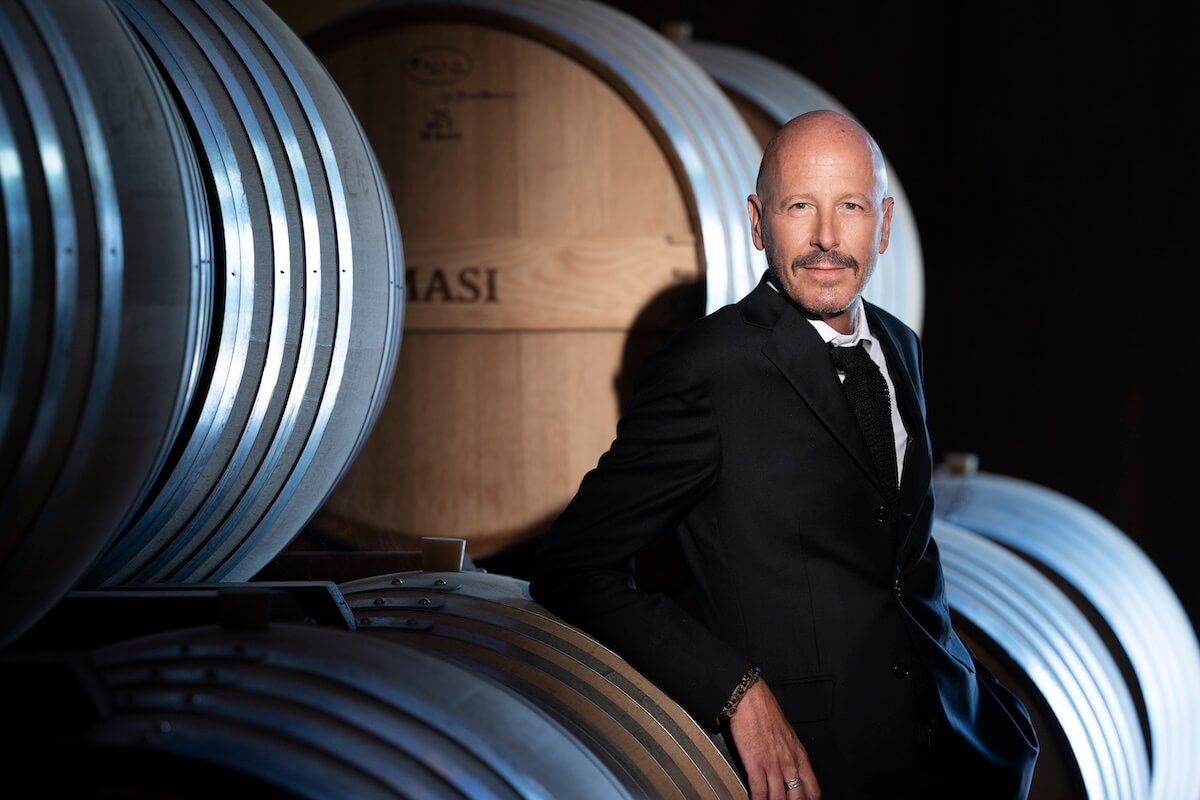
The invitation to the California Agribusiness Executive Seminar marks a historic moment for Masi Agricola: the Valpolicella winery is the first European agricultural producer ever asked to present its case history in a forum reserved for top leaders of the American agribusiness sector. From March 8 to 10 in Sonoma, CEO Federico Girotto outlined the company’s governance and innovation model to founders and CEOs of major U.S. enterprises, leading an international discussion on the theme “Staying agile while preserving historical identity.” The recognition highlights the strength of the brand and its ability to combine heritage, industrial vision and global competitiveness.
An invitation that rewards identity, governance and international vision
The CAES, organized by the University of California Davis, is one of the world’s most authoritative seminars dedicated to agribusiness leadership. Founded in 1989, it gathers each year the key decision makers of the most influential American companies in the sector. For the first time, a European producer was selected to share its business model — a clear signal of the international standing Masi has achieved.
The session dedicated to the winery was introduced by Bodo Steiner, Professor of Food Economics and Business Management at the University of Helsinki, who provided the analytical framework to position the Masi model within the global debate on competitiveness and sustainability in agri-food systems. The seminar was led by Rachael Goodhue, Faculty Director of the Department of Agricultural and Resource Economics, together with Assistant Director Ria DeBiase.
In his address, Federico Girotto emphasized that agility, in an increasingly complex market, means evolving while maintaining strategic coherence. He highlighted the importance of integrating production, governance and market presence, enriching the brand with new meanings without losing its connection to territories and denominations of origin. Decisions such as the stock market listing and the Masi Wine Experience project fit squarely within this long-term vision.
The three pillars of the Masi model: territory, brand and governance
Masi’s contribution unfolded along three key themes that reflect the major challenges of the global wine industry.
- Agility in volatile markets — Masi illustrated how it navigates scenarios shaped by geopolitical instability, cost pressures, climate change and shifting consumer behaviours. Agility is interpreted as a coherent evolution of its strategic pillars, not a break from tradition.
- Managerialization and competitiveness — The winery showed how combining tradition with a managerial approach strengthens resilience and international presence, ensuring swift decision-making and strategic continuity.
- Brand identity in a contemporary key — Historically linked to Valpolicella and withering, Masi does not seek to redefine its identity but to interpret it through a modern lens. Its heritage becomes a lever for differentiation and positioning in global markets.
The interactive format of the CAES encouraged direct dialogue with American agribusiness leaders, offering Masi a valuable opportunity to exchange experiences and reflect on sustainable long-term growth models.
A growing presence in the North American market
Participation in the seminar strengthens a path of increasing visibility in the United States and Canada, where Masi has been active for many years. The winery is a regular guest at the New York Wine Experience by Wine Spectator, and recently President Sandro Boscaini received Wine Enthusiast’s Lifetime Achievement Award of the Year. In Canada, the brand is recognized coast to coast, confirming its solid reputation across the North American market.
A group that blends heritage, innovation and sustainability
Masi is a leading producer of Amarone and a historic interpreter of the values of the Venezie. In 2022, it celebrated the 250th harvest of the Boscaini family in the Vaio dei Masi vineyards, in the heart of the Valpolicella Classica. The company is renowned for its expertise in withering and today offers the broadest and most qualified range of Amarone wines on the international market.
Alongside production, Masi has developed a long-term project to enhance historic wine estates: from the Conti Serego Alighieri to the Conti Bossi Fedrigotti, and the historic château of Canevel Spumanti in Valdobbiadene. In 2023, Tenuta Casa Re in Oltrepò Pavese — a territory suited to Pinot Noir for sparkling bases — joined the group.
On the sustainability front, the company approved the “Masi Green Governance” project in 2024, adopting Benefit Corporation status and integrating activities of common benefit into its corporate purpose, with a focus on territory, culture and the environment.
The Masi Wine Experience completes the picture, transforming the winery’s historic sites into places of hospitality and culture. This vision earned Masi the Best of Wine Tourism award and entry into the global Great Wine Capitals network.


