


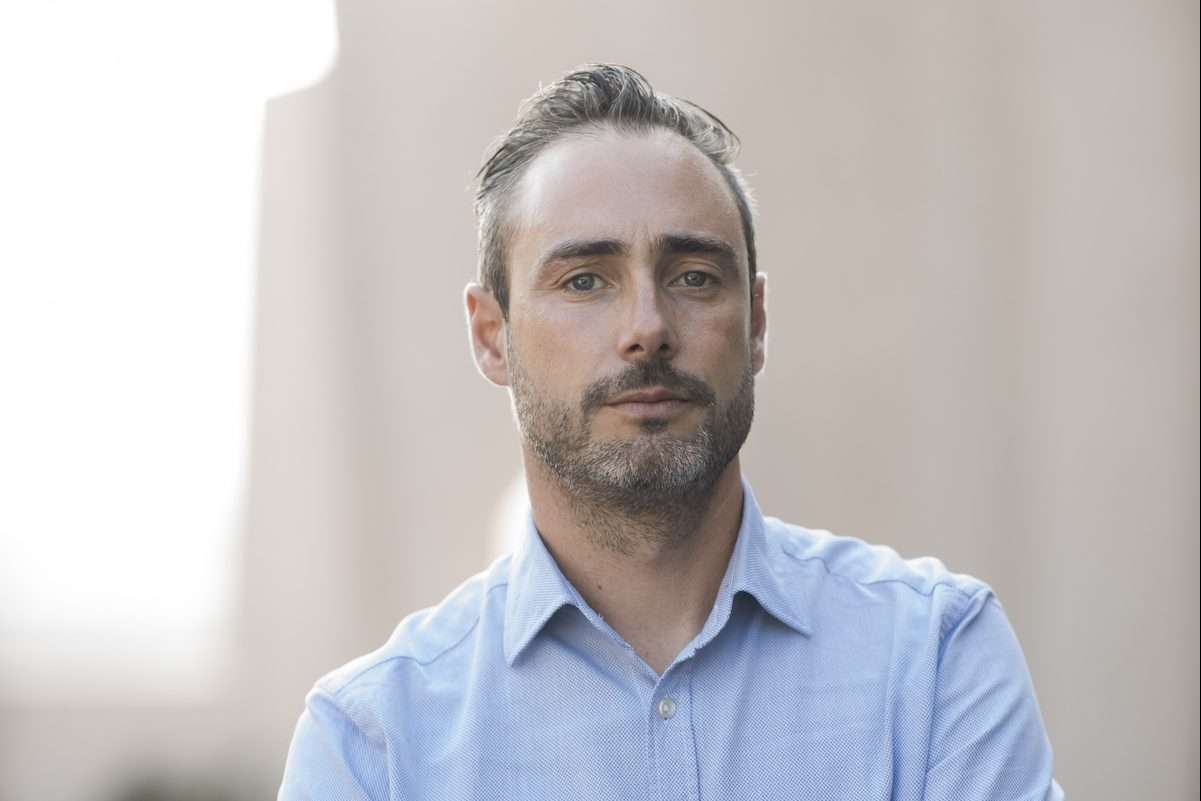
Andreas Kofler has been reconfirmed as president of the Alto Adige Wine Consortium for the next three years. The decision came at the end of the Ordinary Assembly, which re‑elected the Board of Directors, followed by the first meeting of the new Board, which entrusted Kofler with his third consecutive term at the helm of the body representing Alto Adige wine. Ivan Giovanett of Castelfeder has been appointed vice president.
Founded in 2007, the Alto Adige Wine Consortium is today the key institution for the protection of the region’s DOC appellations, the management of the Alto Adige Wines brand and the oversight of international markets.
Alto Adige Wine Consortium: the new Board of Directors
The new Board of Directors, elected by the Assembly, confirms all representatives of the cooperative wineries: Andreas Kofler, Klaus Pardatscher, Georg Eyrl, Philipp Plattner and Oscar Lorandi.
There is renewal, however, among the representatives of Alto Adige estates, with the entry of Ivan Giovanett, Christof Tiefenbrunner and Manfred Bernard, and among the Independent Winegrowers of Alto Adige (FWS), now represented by Magdalena Pratzner and Florian Brigl.
Andreas Kofler’s third term: strategic continuity and recognition of the work carried out
After his confirmation, Andreas Kofler commented on the result, highlighting the value of the path taken in recent years.
“To continue representing the Consortium as president is an honor and a responsibility for me, but I also see my re‑election as confirmation of the direction we have taken in recent years.”
A path that remains focused on quality and the bond with the territory, as demonstrated by one of the most significant changes in the communication of Alto Adige wine.

The Additional Geographical Units and the relationship between wine and territory
The president recalled one of the key achievements of the Consortium’s recent work: the recognition of 86 Additional Geographical Units (UGA), now allowed on labels.
“The most tangible expression of this evolution is the recognition of 86 Additional Geographical Units (UGA) that can be indicated on labels, projecting our commitment to authenticity, territorial identity and transparent communication toward new milestones,” said Kofler.
The UGAs are a central tool for strengthening the territorial interpretation of Alto Adige wine.
The Wine House of Bolzano as a priority project for the Consortium
Looking ahead to the new three‑year term, Kofler’s priority remains the creation of the Wine House, located in the historic building next to Castel Mareccio in Bolzano.
“After almost 20 years of attempts, we have overcome all bureaucratic obstacles, work is progressing and, if everything goes as planned, we could move into the new headquarters by the end of the year,” the president explained.
The new headquarters will not only serve as a representative space but also as a place to enhance the economic and cultural value of Alto Adige wine:
“The Wine House will allow us to showcase Alto Adige wine at its best, strengthen its image and, not least, offer our team a modern working environment suited to our needs.”
Alto Adige Wine Consortium: wine tourism and new international challenges
Among the strategic directions of the new mandate is the development of wine tourism in Alto Adige, an area that Kofler believes has not yet expressed its full potential.
“The potential of wine tourism has so far been underestimated,” he said, outlining the goal of expanding and professionalizing the offering to attract new flows, especially in the low season and in less frequented areas.
The vision is ambitious:
“Our goal is to one day compete with major wine tourism destinations such as Burgundy, Piedmont, Tuscany or Napa Valley.”
On the market front, the Consortium will continue to strengthen its internationalization strategy, with particular attention to South America—especially Brazil—and Eastern Europe, particularly Poland.
Alto Adige Wine Summit and sustainability development
Among the key promotional tools remains the Alto Adige Wine Summit, confirmed also for 2027.
“The summit is a proven tool that we are developing step by step,” Kofler noted, recalling the expansion of the last edition with a segment dedicated to restaurateurs, sommeliers and specialized operators.
Alongside promotion, the path toward SQNPI sustainability certification also remains central, with continued investment planned for the coming years.
The choice to reconfirm Andreas Kofler: long‑term leadership
The reconfirmation of Andreas Kofler marks a line of continuity for the Alto Adige Wine Consortium, which is preparing to face a new three‑year period focused on territory, identity and structure.
“I know I can count at any time on the competence and commitment of our collaborators,” the president concluded, “and for this reason I look forward to discovering what the next three years will bring.”


