


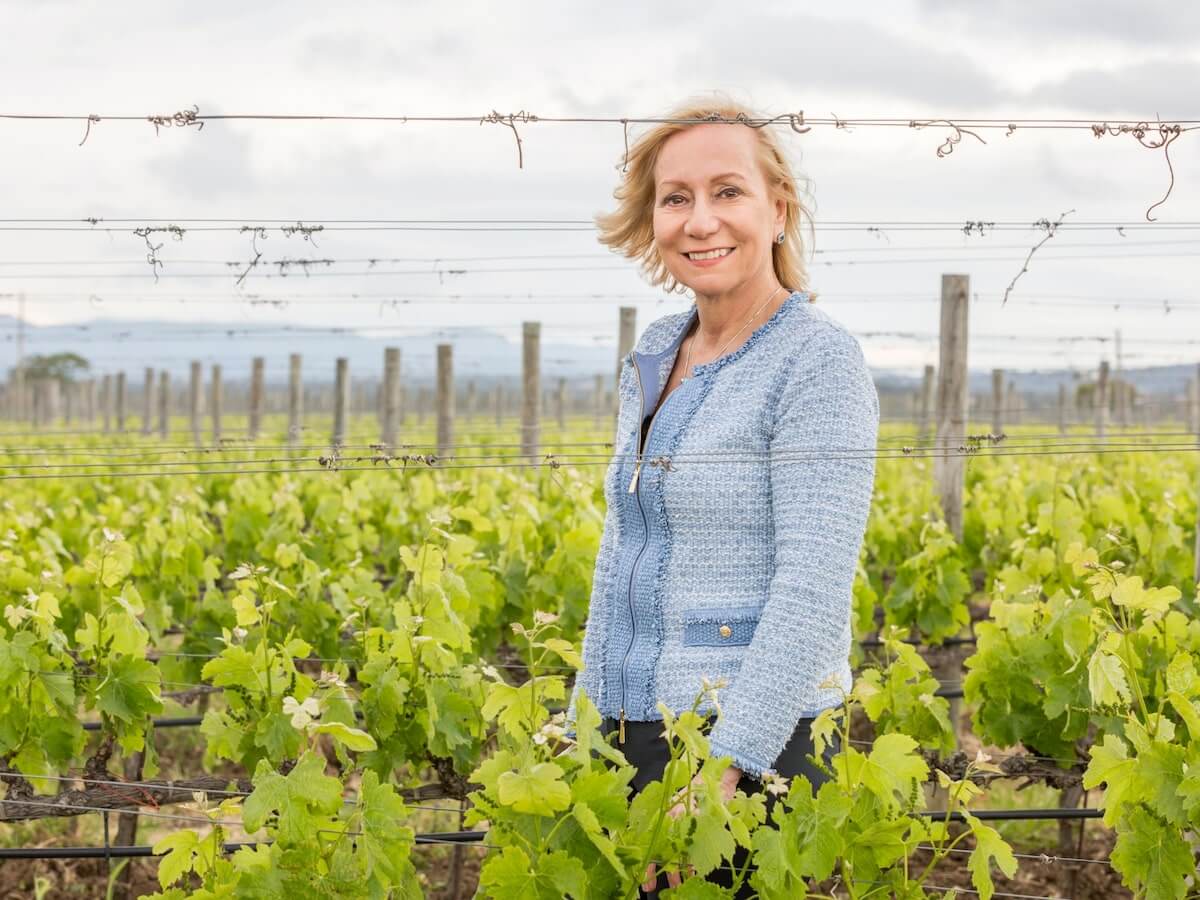
There are entrepreneurial projects that are born around a single vineyard. Others around a denomination. The Marilisa Allegrini Group has instead chosen a broader vision: bringing together some of the most emblematic geographies of Italian wine and turning them into a coherent narrative in the glass. Valpolicella, Bolgheri and Montalcino — three territories that belong to the international wine imagination and that today, under a single brand, form an ecosystem capable of uniting wine production, hospitality and cultural enhancement of the territory.
The symbolic centre of this constellation is Villa Della Torre, an extraordinary Renaissance residence in the heart of the Valpolicella Classica, purchased by Marilisa Allegrini in 2008 and transformed over the years into a place where wine meets art, architecture and landscape. From here branch out the other two souls of the group: Poggio al Tesoro in Bolgheri, one of the largest estates in the denomination, and San Polo in Montalcino, a winery that interprets Brunello through a contemporary sensibility.
Three wineries, three identities, one single direction: a project that sees wine not only as a product, but as a tool to narrate Italy’s cultural heritage. And it is precisely within this vision that the 2025 results — the first true year of consolidation — take shape for the Marilisa Allegrini Group.
2025: the year of consolidation for the Marilisa Allegrini Group
2025 was the first fully mature year for the new Marilisa Allegrini Group. A year of consolidation and, at the same time, of project acceleration.
“I can say I am very satisfied. This second year has strengthened the foundations laid in 2024: we invested in the structure, redefined processes, launched new projects and activated strategic partnerships,” says Marilisa Allegrini. “The team made an extraordinary contribution. Seeing the results firsthand — but above all seeing people grow and believe in this vision — is what makes me most grateful and proud.”
In a complex market environment, the 2025 results take on even greater significance considering that no price increases were applied during the year, maintaining an average bottle price of around €12.50. A choice that reflects a strategy of continuity aimed at sustainable growth and long‑term value creation.
Founded in 2024, the Marilisa Allegrini Group closed 2025 with revenues of €11.1 million, marking a +5.7% increase over the previous year. A result in line with expectations, confirming the strength of a project in full evolution — one that aims to integrate wine and hospitality ever more harmoniously, plant new vineyards and increase production capacity, while expressing its premium identity with coherence and substance.
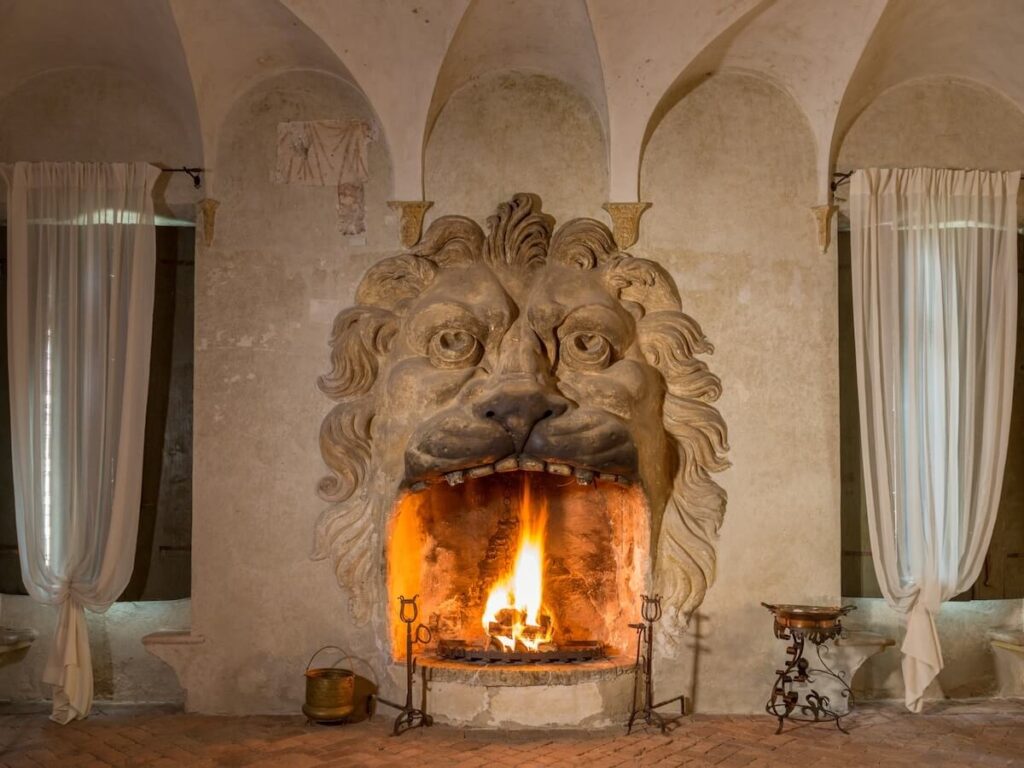
Villa Della Torre: the creative laboratory of Valpolicella
If the Marilisa Allegrini Group is growing, much of it is due to the vitality of its Veronese soul. Villa Della Torre continues to be the place where some of the group’s most innovative projects take shape. In 2025, the winery presented Peaks & Valleys, a project that narrates Verona through its wine landscapes. From the limestone hills of Valpolicella to the volcanic slopes of Soave, and the moraine soils of Lake Garda: three different geographies that become chapters of a single narrative.
The project translates into four wines — Valpolicella Classico Monte Lencisa, Lugana Selva del Vescovo, Soave Classico Castelcerino and Soave Classico Fittà — conceived to directly express the identity of the places they come from. Contemporary wines, stylistically precise and with moderate alcohol levels, reflecting a new idea of territorial elegance. 2025 was also the year in which Villa Della Torre strengthened its dialogue with art.

The Amarone “Camera del Sole e della Luna”: when wine becomes art
Among the most evocative projects of the year is the evolution of the collaboration between Villa Della Torre and Fondazione Palazzo Te in Mantua. Two Renaissance masterpieces — the Veronese villa of the Della Torre family and the Gonzaga palace designed by Giulio Romano — once again entered into dialogue through wine. After editions inspired by the frescoes of the Chamber of the Giants and the Chamber of Cupid and Psyche, the project expanded with a new creation: the Amarone Camera del Sole e della Luna. The wine is made from grapes grown in the Brolo of Villa Della Torre, the vineyard enclosed within the villa’s ancient walls, and is released as a collectible limited edition. The labels reproduce frescoes from one of Palazzo Te’s most iconic rooms: the classic bottle features a section of the coffered ceiling, while the large formats showcase the allegory of the setting Sun and rising Moon — a symbol of the passing of time.
“Villa Della Torre has always been a place of experimentation and storytelling,” says Marilisa Allegrini. “This Amarone dedicated to Palazzo Te is a tribute to a shared sensibility and a common vision of beauty. It shows how the fruit of the land and enological expertise can intertwine with the power of art.”
Tuscany on the rise: the evolution of Poggio al Tesoro and San Polo
Alongside the Veronese momentum, the Tuscan estates of the Marilisa Allegrini Group also contributed decisively to the 2025 results.
The wines of Poggio al Tesoro, the Bolgheri estate founded in 2001, continue to receive excellent feedback in international markets and are well represented in the Group’s Top 25 references.
Positive news also comes from San Polo, which closed the year with strengthened performance in the US market thanks to its partnership with Heritage Collection Trinchero Family Estates. One of the most interesting developments is the growing integration among the group’s three brands: the sales ranking now shows a more balanced presence of wines from all estates, a sign of a dialogue that works and is perceived as a unified project.
Export: a new American chapter for Villa Della Torre and Peaks & Valleys
The Marilisa Allegrini Group continues to maintain a strong international vocation. In 2025, a strategic step was taken in the United States with the start of a collaboration with Wilson Daniels Wholesale, one of the most authoritative importers in the global wine landscape. Thanks to this agreement, the wines of Villa Della Torre and Peaks & Valleys entered the US market for the first time.
“The United States has played a fundamental role in my personal and professional journey,” says Marilisa Allegrini. “When in the 1980s I began introducing Valpolicella wines to the world, America was my first destination. This new collaboration represents an important chapter for the future of our wines.”
Last year, the Marilisa Allegrini Group debuted in 23 new international markets — small but significant realities such as Ghana, Kenya and New Zealand. While they did not have an immediate impact on revenues, they demonstrate the ability of the group’s brands to establish themselves globally. Other strategic markets, such as Switzerland, Germany and Northern Europe, further strengthened their presence, confirming the coherence and solidity of the international strategy.
The 2026 horizon for the Marilisa Allegrini Group
2025 leaves the image of a Marilisa Allegrini Group in full motion, supported by a young team and a family vision that looks to the next generations.
“The image I carry with me is that of a company with the courage to open new paths thanks to a cohesive and motivated team,” says Marilisa Allegrini. “My daughters, Carlotta and Caterina, play a fundamental role: their energy and innovative outlook enrich my way of working.”
For 2026, the Marilisa Allegrini Group expects further organic growth, driven by the development of the Villa Della Torre and Poggio al Tesoro projects, by international expansion into evolving markets — from Australia to African countries — and by the expansion of the Peaks & Valleys range, which has been enriched with the launch of a new Ripasso called Una volta sola (in Veronese dialect ’na olta sola, “the old way”).
Peaks & Valleys brings Ripasso back to its origins. At a time when Valpolicella’s most widespread wine sometimes risks chasing the market rather than its own history, the project chooses a more rigorous path: recovering the traditional technique as it was once practiced. The previous year’s Valpolicella — light and vertical — is refermented on fresh Amarone pomace using the historic 1:1 ratio, then left to macerate for a long time on the skins. The result is a wine that combines the cherry fruit and drinkability of Valpolicella with the spicy depth, sweet tannins and cocoa notes of Amarone, restoring Ripasso’s original identity as a natural bridge between the two great wines of Valpolicella.
“In Italy we will continue to invest in hospitality and wine tourism,” concludes Marilisa Allegrini. “I consider them the most important strategic lever for our country.”
In September, the podcast Dove porta la strada will be released, produced by Chora Media in collaboration with the Marilisa Allegrini Group and journalists Mario Calabresi and Graziano Nani.


