


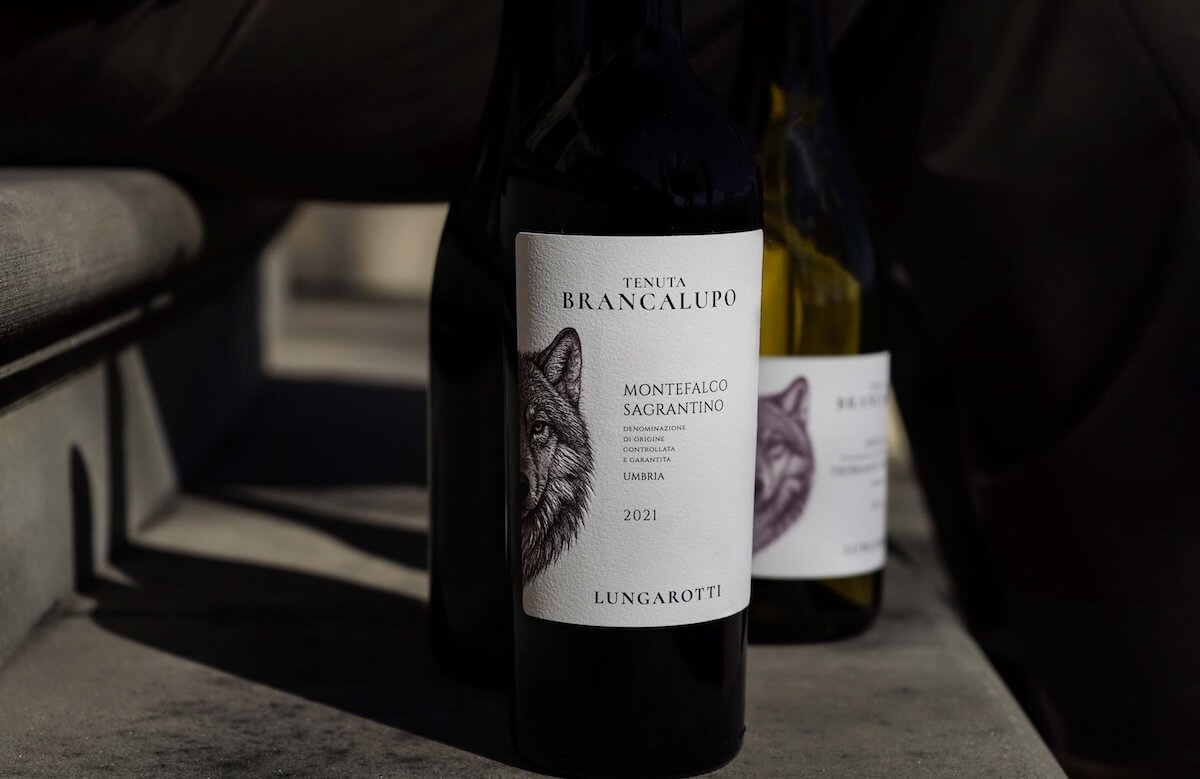
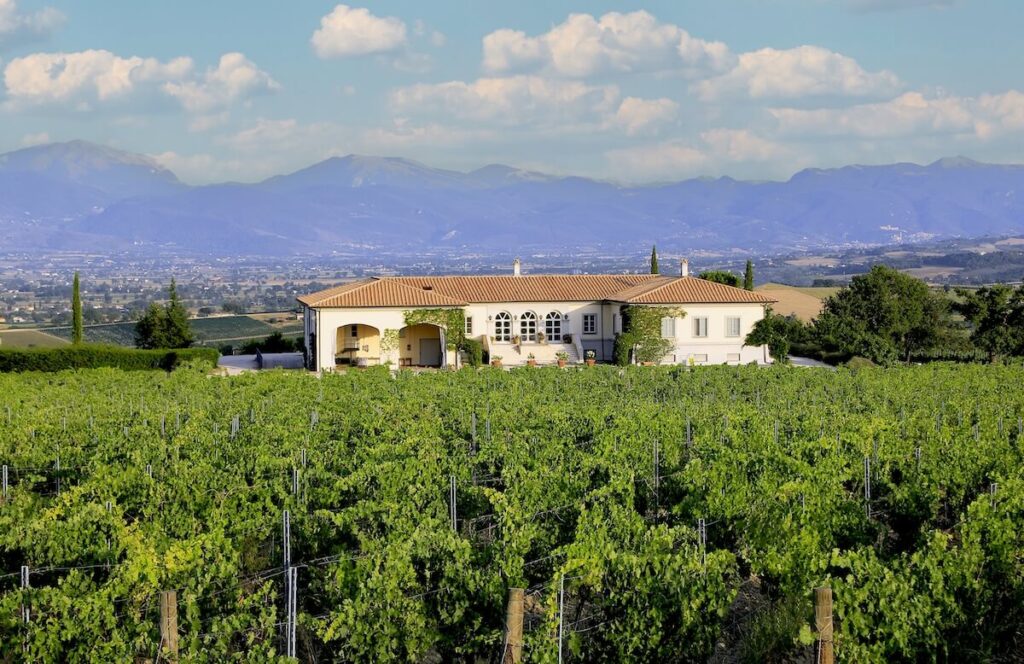
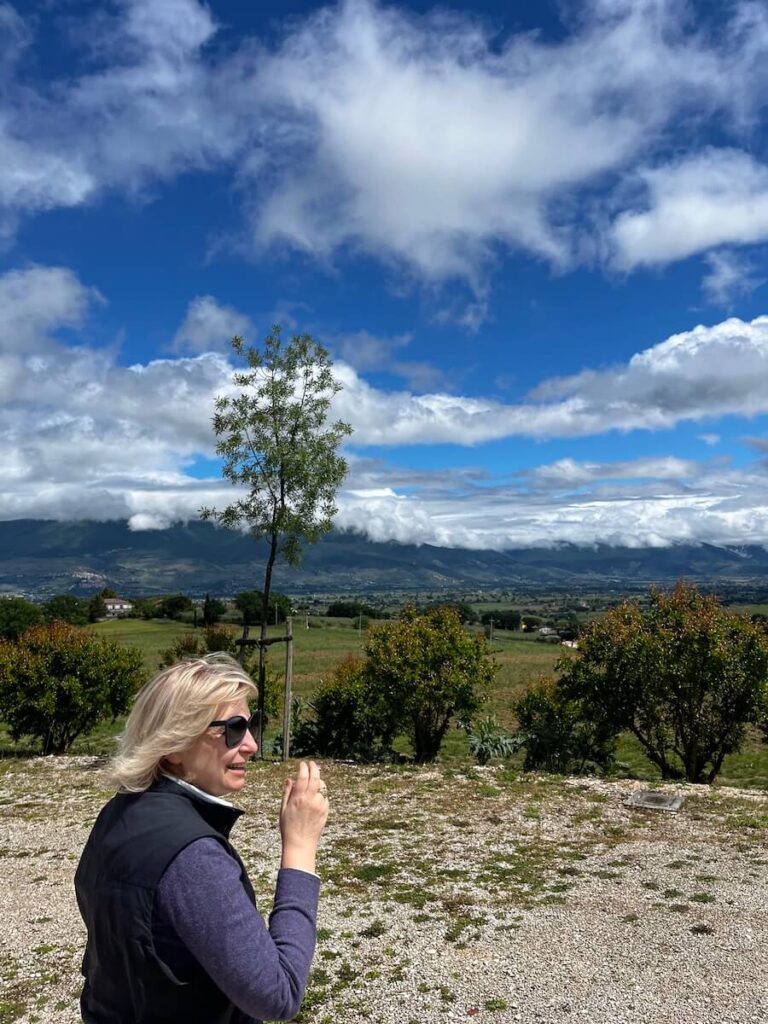
You can change your mind about a wine you’ve never felt a connection with. It happened to me. It happened thanks to an encounter that made me look with new eyes at a territory with which, in the glass, I had never established any kind of harmony. But nothing happens by chance, as this very circumstance shows — one that features a winery, Lungarotti, which has played a decisive role in bringing Umbria to the forefront of Italian wine. The credit goes to the vision of Giorgio Lungarotti, the man who transformed an agricultural estate in Torgiano into one of the symbols of national enology and who gave Italian wine one of its great classics: Rubesco Riserva Vigna Monticchio Torgiano Rosso Riserva Docg, a pure Sangiovese that has repeatedly reached the podium of Italy’s best wines. This legacy of visionary winemaking foresight has now passed into the hands of his daughter, Chiara Lungarotti, who guided us in understanding the meaning of the new course at Tenuta Brancalupo — the Montefalco estate purchased by the family in 1999 and now at the center of a profound renewal involving image, production philosophy, hospitality and the stylistic expression of its wines. A journey that fits into the broader evolution project launched by Lungarotti in 2024 and that finds in Montefalco one of its most compelling chapters.
Rethinking Montefalco without renouncing Sagrantino
The key word is probably just one: “Balance”.
For decades, Sagrantino has been identified almost exclusively through its extraordinary tannic structure, its powerful extraction and an uncommon capacity for aging. Qualities that contributed to its fame but that, at times, ended up becoming a stereotype.
Lungarotti’s approach seems to move in a different direction.
As Chiara Lungarotti points out, Sagrantino is a variety “difficult to tame”, yet capable of immense satisfaction. It is a challenge the family faces through rigorous vineyard management and careful tannin handling, with the clear goal of guiding Montefalco’s wine toward a new stylistic frontier — far from the hardness and austerity that have characterized some past interpretations of the territory.
This idea emerges clearly from the estate’s own definition of its Montefalco Sagrantino: a wine built around a precise word, “balance”, the result of a tailor‑made effort to translate the grape’s natural power into elegance and drinkability.
A vertical tasting that reveals the change
The most convincing confirmation, however, comes from the glass.
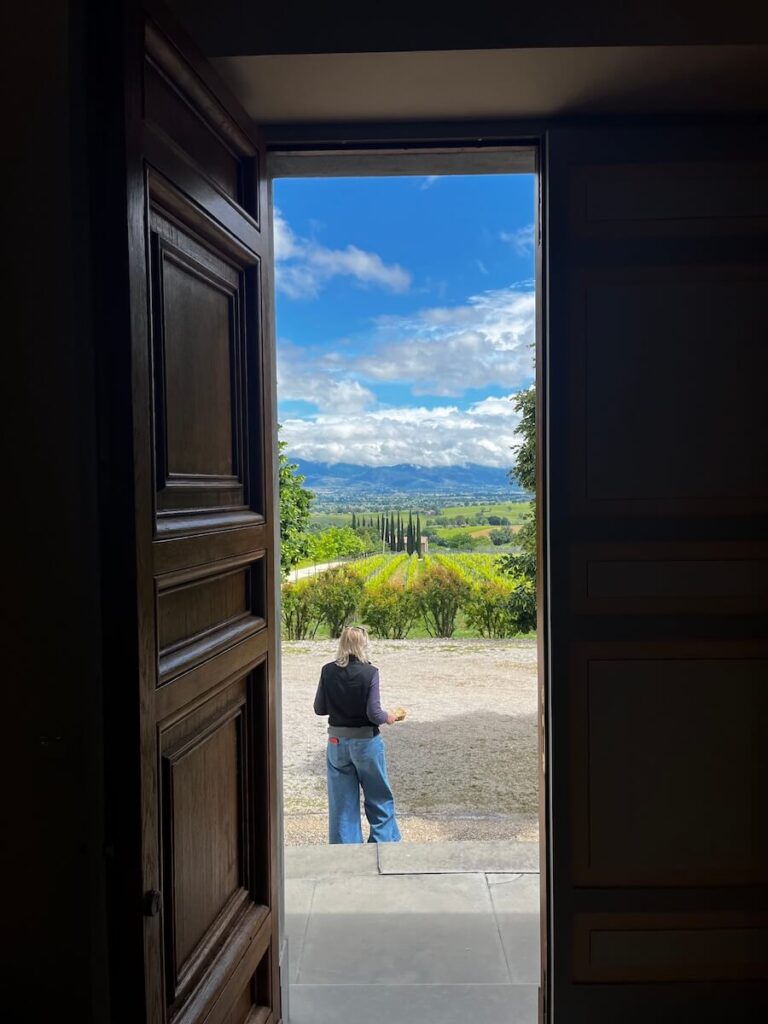
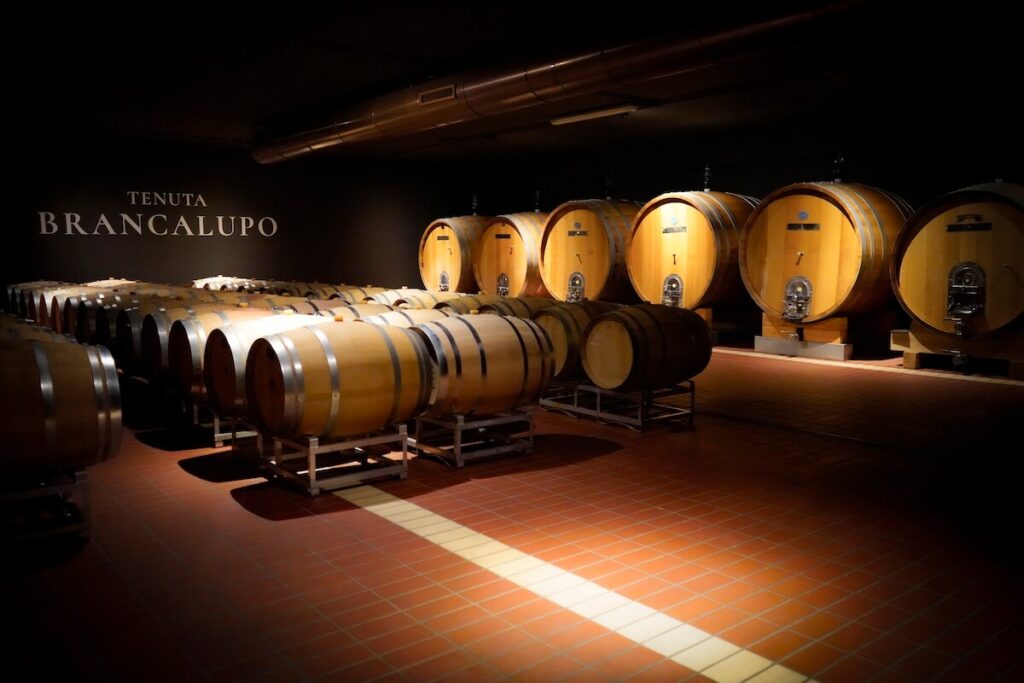
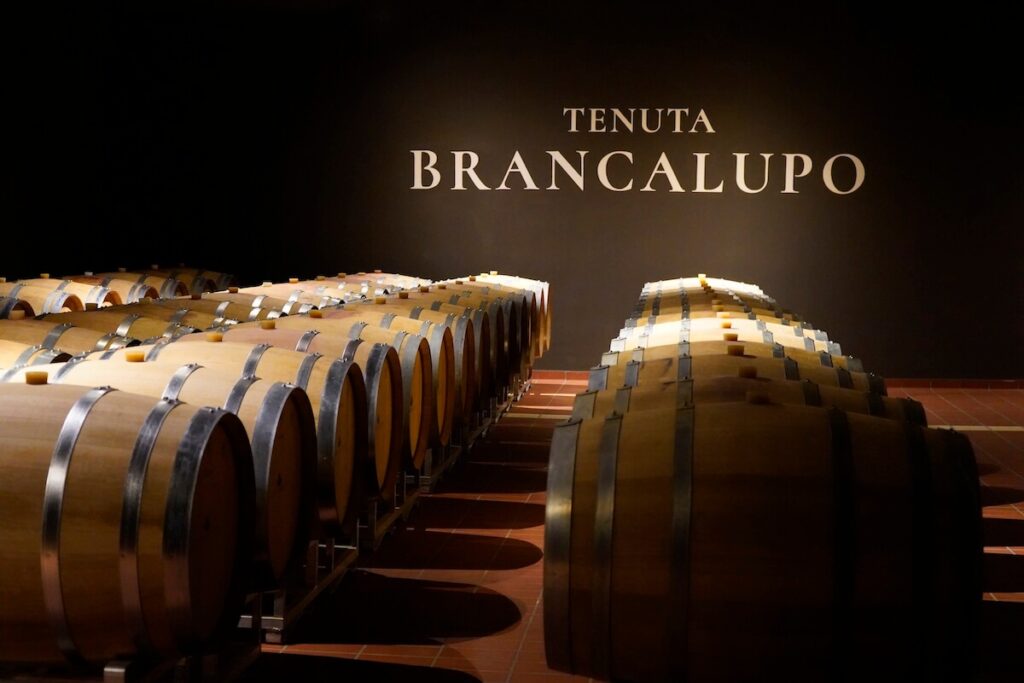
Together with Chiara Lungarotti, we had the opportunity to visit Tenuta Brancalupo and witness firsthand the transformation of the estate, now increasingly open to wine tourism and conceived as a place where wine, landscape and culture meet. The underground cellar carved beneath the villa overlooking the Montefalco valley has been redesigned as a space for reflection and contemplation, perfectly aligned with Umbria’s Franciscan soul and with the estate’s new narrative.
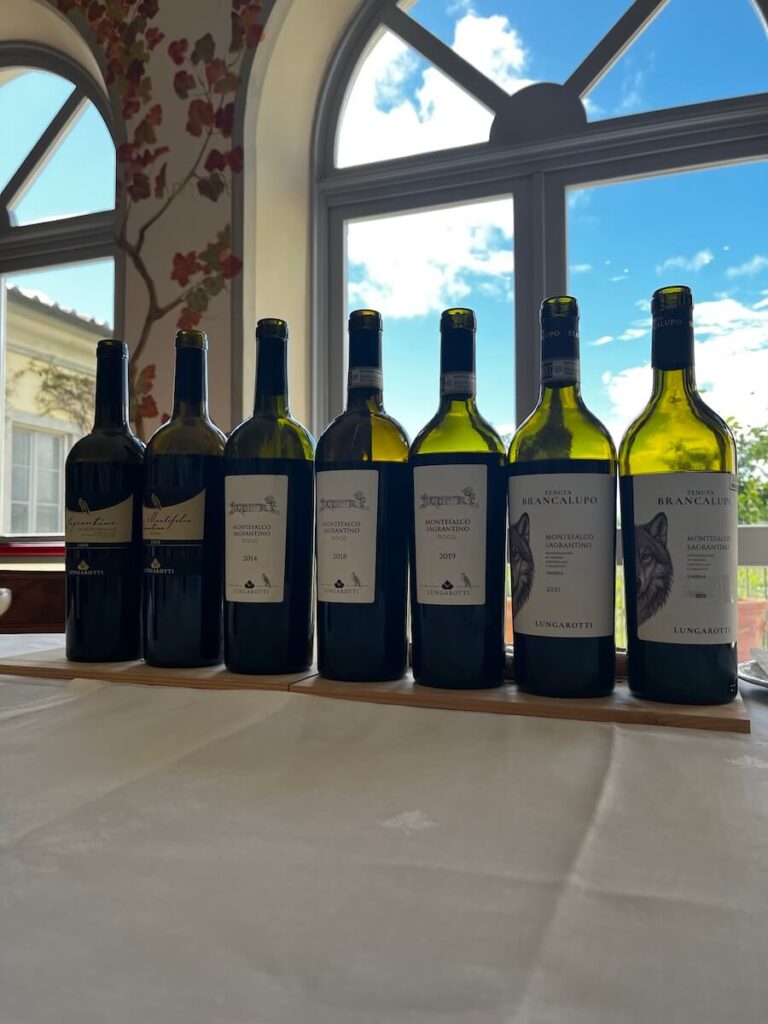
But it was above all the vertical tasting of Montefalco Sagrantino that clearly revealed the direction taken.
The vintages 2008, 2010, 2014, 2018, 2019, 2021 and 2022 allowed us to read more than 15 years of stylistic evolution. A tasting that showed how work on tannin maturation, fruit precision and freshness has progressively reshaped the wine’s identity.
If the older vintages testify to Sagrantino’s ability to age while maintaining depth and complexity, it was the 2014–2018–2022 trio that truly stood out. Three monumental wines not for concentration or power, but for a much rarer quality today: drinkability.
Here lies Brancalupo’s real revolution. A Sagrantino that does not renounce its identity, its aromatic depth or the extraordinary structure that made it famous, but that now chooses to express itself through harmony, energy and precision.
Montefalco Rosso as the manifesto of the new philosophy
This pursuit of balance does not concern only pure Sagrantino.
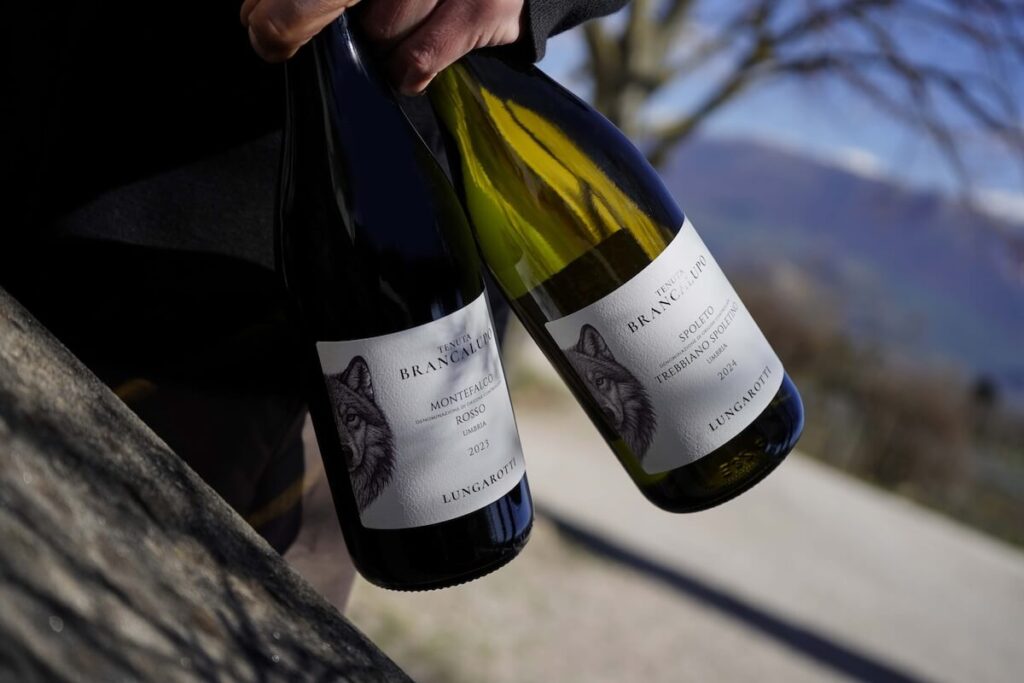
In fact, one of the wines that best embodies the estate’s new direction is likely the Montefalco Rosso Doc. A territorial blend of Sangiovese, Merlot and Sagrantino, where Sangiovese provides freshness and drinkability, while Sagrantino adds depth and a strong sense of place.
A contemporary and versatile wine, capable of combining pleasure, elegance and depth. In the glass, this translates into a dynamic texture supported by vibrant freshness and particularly measured tannins.
It is a red that clearly speaks the language of contemporary Montefalco and demonstrates how the territory can also be expressed through immediately enjoyable wines without losing authenticity.
The Trebbiano Spoletino that looks to the future
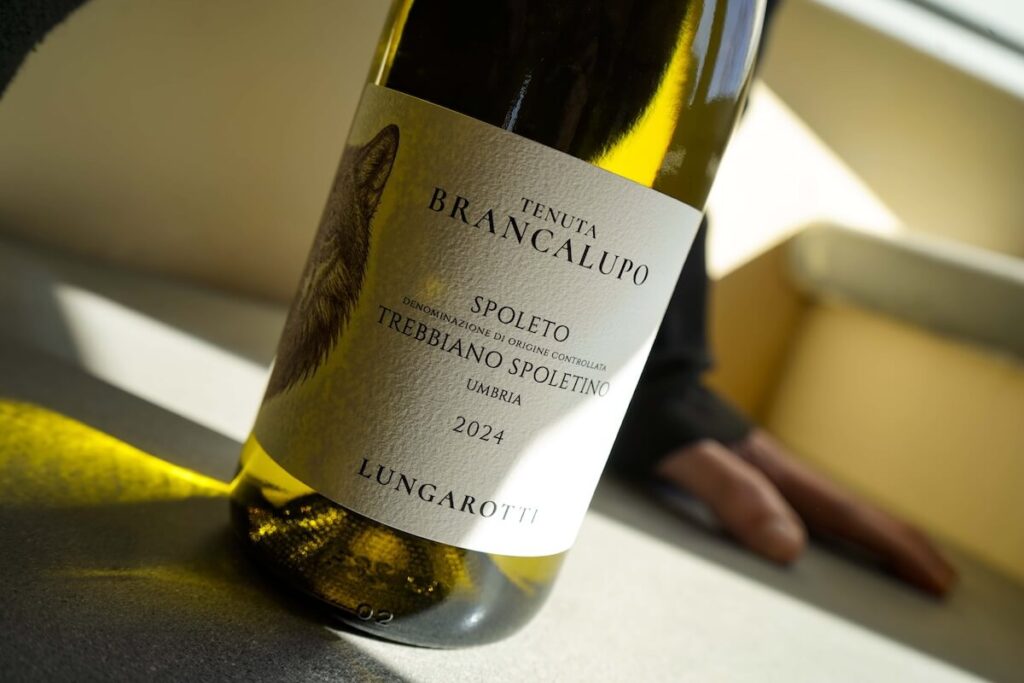
The symbolic novelty of Tenuta Brancalupo’s relaunch is the Trebbiano Spoletino Doc 2024, the first white wine of the estate’s new phase.
A millenary native grape increasingly sought after by enthusiasts, Trebbiano Spoletino represents a key element in telling the story of a Montefalco that is not defined solely by great reds.
In the glass, it reveals a contemporary white built on freshness, tension and territorial identity. Citrus aromas intertwine with delicate mineral and smoky notes, while the palate stands out for its sapidity, dynamism and vibrant energy that extends the finish. A wine that impresses above all for its verticality and precision, showing how the territory can express itself through registers far from those traditionally associated with Sagrantino.
A new way of telling Montefalco
Tenuta Brancalupo, in the form it is taking today, is the natural evolution of the vision that has always guided the Lungarotti family.
If Torgiano continues to safeguard some of Italy’s greatest wines — starting with Rubesco Riserva Vigna Monticchio, which helped build Umbria’s international reputation — Montefalco is now one of the chapters, together with Progetto 62, through which that same enological culture seeks to interpret the future.
A future in which Sagrantino is neither tamed nor simplified but understood more deeply. A future in which depth and elegance are no longer opposing concepts. And in which the greatness of a wine is measured not only by its ability to challenge time, but also by its ability to be enjoyed with pleasure today. And perhaps this is the most interesting lesson we took away from our brief visit to Tenuta Brancalupo: Montefalco and Sagrantino are not renouncing who they are — they are simply learning to tell their story with a new voice.


