



Australia officially enters the strategic geography of Alto Adige Wines. With the first major event held in Sydney in recent days, the Alto Adige Wine Consortium is launching a structured promotional program in one of the most interesting markets for international wine, adding this new initiative to its already consolidated activities in Japan and South Korea. A coordinated action that, across the three main Asia‑Pacific stops, involved more than 500 industry professionals including importers, distributors, buyers, sommeliers, and specialized media. The goal is clear: to support Alto Adige wineries in developing new markets through a shared presence capable of enhancing not only individual producers but the identity of the entire region.
Sydney opens a new phase of internationalization for Alto Adige Wines
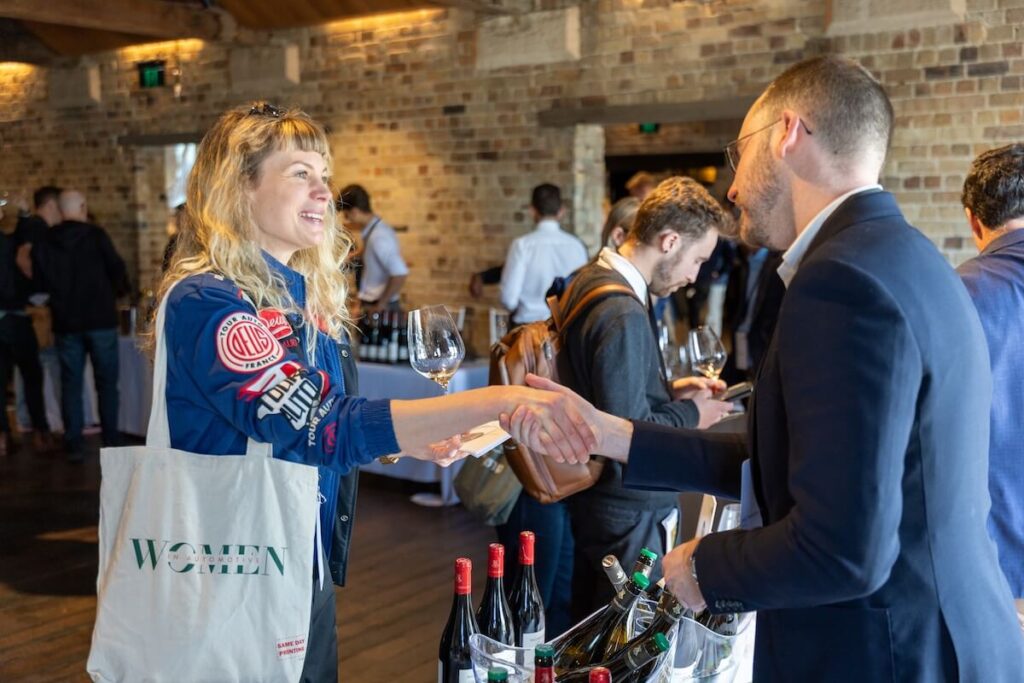
The Australian debut marks a significant step in the Consortium’s international strategy. On 23 June, Sydney hosted the first major presentation dedicated exclusively to Alto Adige Wines, bringing together 30 producers and around 170 labels.
The initiative allowed more than 160 specialized trade operators to directly discover Alto Adige’s wine production, creating concrete opportunities for dialogue between wineries already present on the market and those still seeking an importer. The event was accompanied by a masterclass led by Australian wine expert Matt Irwin, focused on the characteristics of Alto Adige’s winegrowing territory and the uniqueness of its wines, along with a dedicated session for specialized media.
The event marks the beginning of a long‑term path aimed at consolidating the presence of Alto Adige wines in a country now considered among the most promising for import growth.
A growing market looking toward mountain wines
For the Alto Adige Wine Consortium, interest in Australia stems from precise market evaluations.
“The Australian market is extremely interesting,” says the Consortium’s director, Eduard Bernhart. “It is the tenth wine market in the world and continues to grow, as the share of imported wines is constantly increasing.”
Australia thus joins traditional European and North American markets as a new strategic axis of international promotion.
“We need to make our territory and our wines known, highlighting their quality and diversity,” Bernhart explains.
Among the elements driving Australian interest is the search for wines characterized by freshness—one of the defining traits of Alto Adige production.
“My impressions are positive: we found a market eager to discover new wine regions,” Bernhart continues.
The director also notes how Alto Adige’s international image represents an additional competitive advantage.
“This is an aspect that enhances our wines, also because Alto Adige is associated with the Alps and, above all, the Dolomites—therefore with a mountain territory.”
However, alongside opportunities, some challenges remain.
“Tariffs represent an obstacle not to be underestimated, as does the great distance,” the director points out.
A parallel route toward Japan and South Korea
Alongside the Australian debut, the Alto Adige Wine Consortium continues to invest in East Asian markets, where it has built a consolidated presence in recent years.
In Tokyo, twenty‑four producers presented their wines to around 250 professional operators, while in Seoul a masterclass was organized involving about one hundred participants.
The initiatives held across the three cities led to the involvement of more than five hundred industry professionals, confirming the growing interest of the Asian market in Alto Adige wine production.
“We have been working on Japan and South Korea for several years now, and we have built solid foundations here,” Bernhart explains.
Joining forces to open new markets: Alto Adige Wines strengthen their international vocation
At the core of the Consortium’s strategy is the belief that international promotion must be approached as a collective project. Rather than multiplying individual initiatives by single wineries, the model aims to create shared opportunities for meeting wine professionals, fostering long‑lasting commercial relationships and increasing the visibility of the entire region.
“Our goal is to support producers by offering them, through targeted events, a platform through which they can present themselves directly,” Bernhart concludes. “This allows wineries to establish personal dialogue with professional audiences and develop important contacts. This is precisely our strength as the reference organization for Alto Adige’s wine sector: we can pool resources, create visibility, and contribute—step by step—to opening new markets.”


