


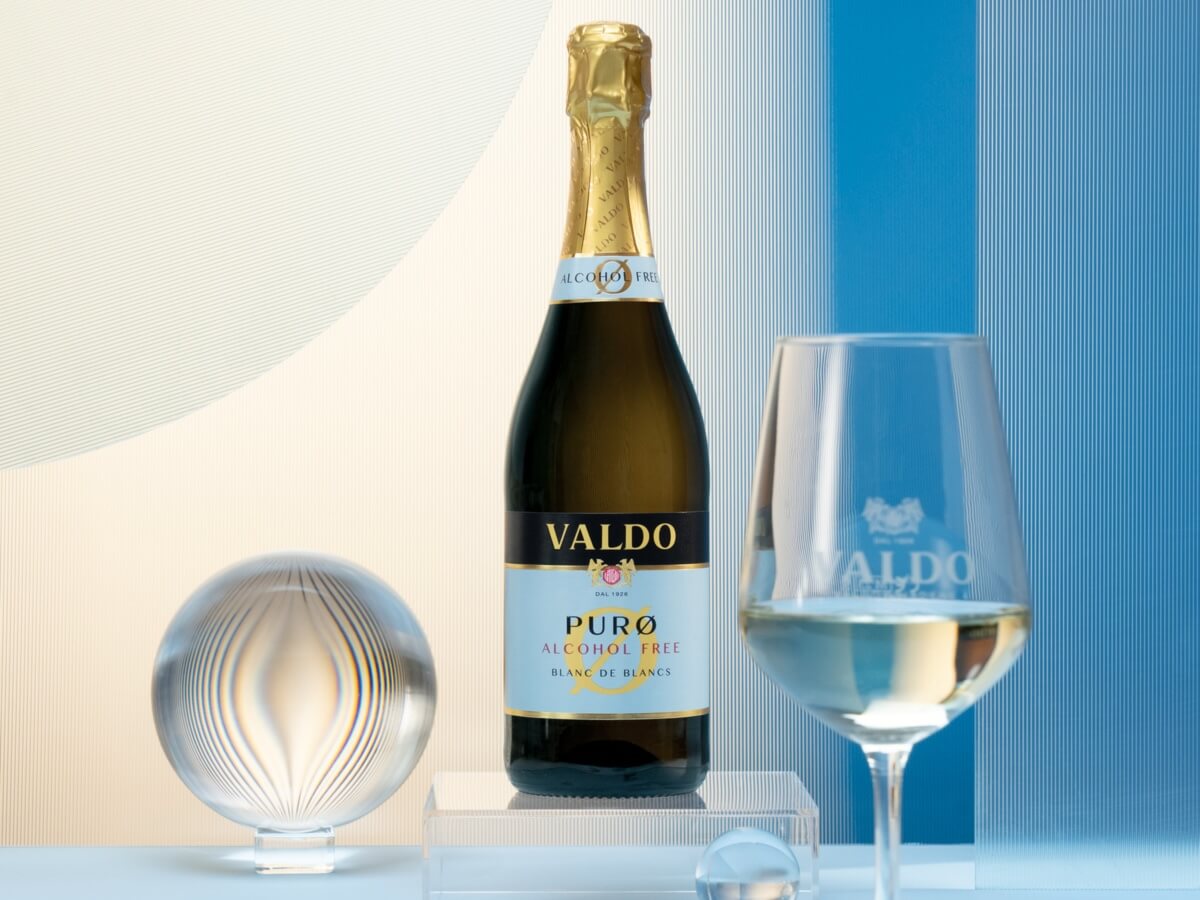
Alcohol-free wine continues to seek new consumption occasions, and Valdo Spumanti has chosen one of the most symbolic venues of contemporary conviviality to accelerate its development. From the resumption of the Belgian football championship in mid-August, Valdo Purø Alcohol Free Blanc de Blancs will take centre stage at the Cegeka Arena, home of KRC Genk, entering the stadium’s hospitality areas and VIP Lounge.
The initiative goes beyond a simple commercial partnership: it represents a new element in the strategy through which the historic Valdobbiadene-based winery intends to expand wine consumption occasions by reaching audiences, moments and lifestyles that until only a few years ago remained largely disconnected from the sector.
The move comes in Valdo’s centenary year, confirming how the frequently overused concepts of innovation and tradition can still coexist under the same roof.
From Wine Paris to the Cegeka Arena: Valdo Purø’s 2026 Journey
Presented internationally for the first time at Wine Paris 2026 and subsequently welcomed with considerable interest at Vinitaly, Valdo Purø Alcohol Free Blanc de Blancs continues its growth journey by choosing Belgium as its new international showcase.
The sparkling wine will be served in the hospitality areas of the Cegeka Arena during KRC Genk matches and at corporate events hosted by the stadium, consolidating the brand’s presence in a setting where sport, hospitality and entertainment converge.
The initiative is part of Valdo’s internationalisation strategy. Founded in 1926 in Valdobbiadene, the company today manages more than 200 hectares of vineyards and generates approximately 50% of its turnover through exports.
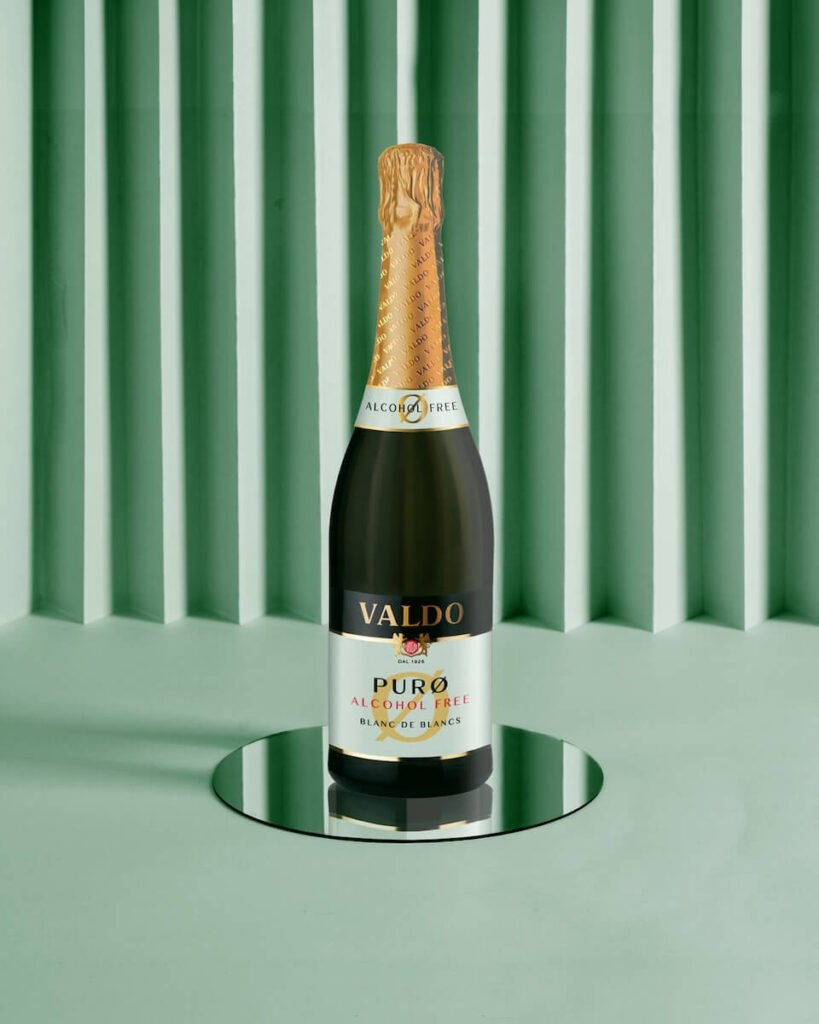
Alcohol-Free Wine and New Consumption Occasions
The Valdo Purø project was created in response to evolving consumption habits, a trend particularly evident in Northern Europe and the DACH region, where demand for high-quality alcohol-free products is growing.
Produced from Glera, Chardonnay and Traminer grapes cultivated at I Magredi, the Friulian estate recently acquired by Valdo in the Grave del Friuli area, Valdo Purø is vinified as a white wine and subsequently subjected to a delicate low-temperature dealcoholisation process designed to preserve the wine’s structure, freshness and authenticity without the use of added flavourings.
The project is further supported by a clean-label philosophy and a U-Label QR code, tools that reinforce transparency towards consumers.
The sensory profile delivers a wine with a pale straw-yellow colour, aromas of apple, white flowers and delicate citrus notes, making it particularly suited to the contemporary aperitif occasion.
From Sport to Wine: A New Concept of Inclusion for Valdo
Following the partnership launched in 2022 with AS Roma, the agreement with KRC Genk further expands the dialogue between Valdo and the world of sport.
We discussed the initiative with Pierluigi Bolla, President of Valdo Spumanti, who explained how stadiums can now become new consumption venues for alcohol-free wine, making it possible to toast even in contexts where wine has traditionally played a more limited role and reaching consumers who are increasingly attentive to balanced and inclusive lifestyles.
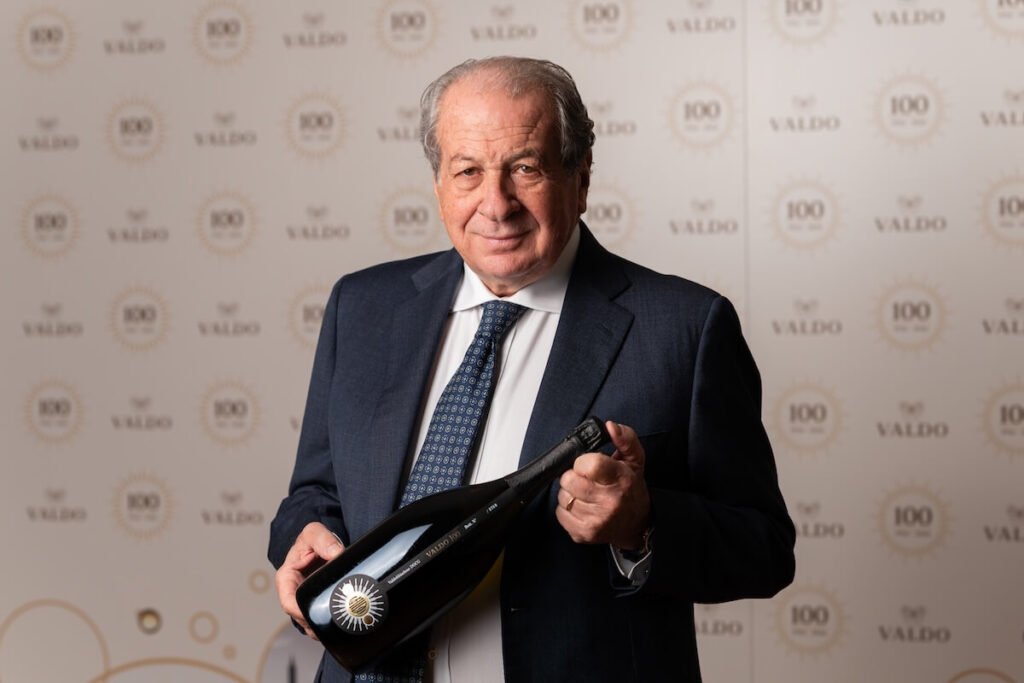
President Bolla, the agreement with KRC Genk follows the partnership with AS Roma: what kind of visibility are you seeking through your increasing involvement in sports?
“I would talk above all about inclusion. The Cegeka Arena is one of the most important stadiums in Belgium and we were already present in its Hospitality Suite with Aquarius Vino Spumante Extra Dry. Today, Valdo Purø, our alcohol-free sparkling wine, has also been selected. This is a significant step because in Northern European countries there is strong sensitivity towards alcohol-free products, and this can open distribution channels for wine that until now have remained substantially distant from our sector. It is not only a matter of visibility or image: it means expanding the audience, reaching consumers with different needs and creating the conditions for further wine developments within the world of sport. I consider it a very positive opportunity and one that could find new applications in other European markets.”
From the perspective of a winery with 100 years of experience in sparkling wines, is it more difficult to create a great sparkling wine or a great dealcoholised wine?
“After 100 years dedicated to sparkling wines, I feel I can safely say that we have acquired a certain level of expertise in the field (smiles, editor’s note). Today, the challenge is to transfer that expertise into the dealcoholised segment. I believe that alcohol-free sparkling wine can represent an important area of development, both from a quality and a commercial perspective. Producing a great dealcoholised sparkling wine is our objective, but it will require time, experience and, above all, consumer approval. Initiatives such as the partnership developed with Genk are particularly valuable because they allow us to understand how to continuously improve the product.”
Will dealcoholised wine become a structurally significant segment of the market, or will it remain a niche?
“At the moment, my approach is what the English define as ‘wait and see’. Demand exists and is significant, but we still do not have sufficient evidence to understand whether consumers will continue purchasing the product on a consistent basis. It is still too early to determine whether dealcoholised wine will become a structural segment or remain a niche. Twenty years ago, something similar happened with organic wine, which eventually found its own dimension. Today, dealcoholised wine is still entirely to be built, both in terms of quality and market positioning.”
Will the Valdo Purø experience lead to the launch of other alcohol-free products?
“A company cannot stop investing in research and development, not even in the wine sector. Standing still would mean failing to follow the market’s evolution. We are already studying new initiatives and new products, which we will develop also on the basis of the experience gained with Valdo Purø Alcohol Free Blanc de Blancs and the feedback we continue to receive from the markets where it has been introduced.”
One final question focused on the present: how would you assess the first half of 2026 for the sparkling wine market?
“Today, the sparkling wine segment is certainly the most resilient category within the wine world. This does not mean there are no challenges: sparkling wines are now produced everywhere, both in Italy and abroad, and this creates increasing pressure on prices, investments and consequently on company margins. Only in the coming years will we understand whether this is a temporary situation or a structural change. For the moment, however, sparkling wines are demonstrating greater resilience than other wine segments, in a market that continues to face declining consumption, an unfavourable geopolitical environment and growing supply.”


