


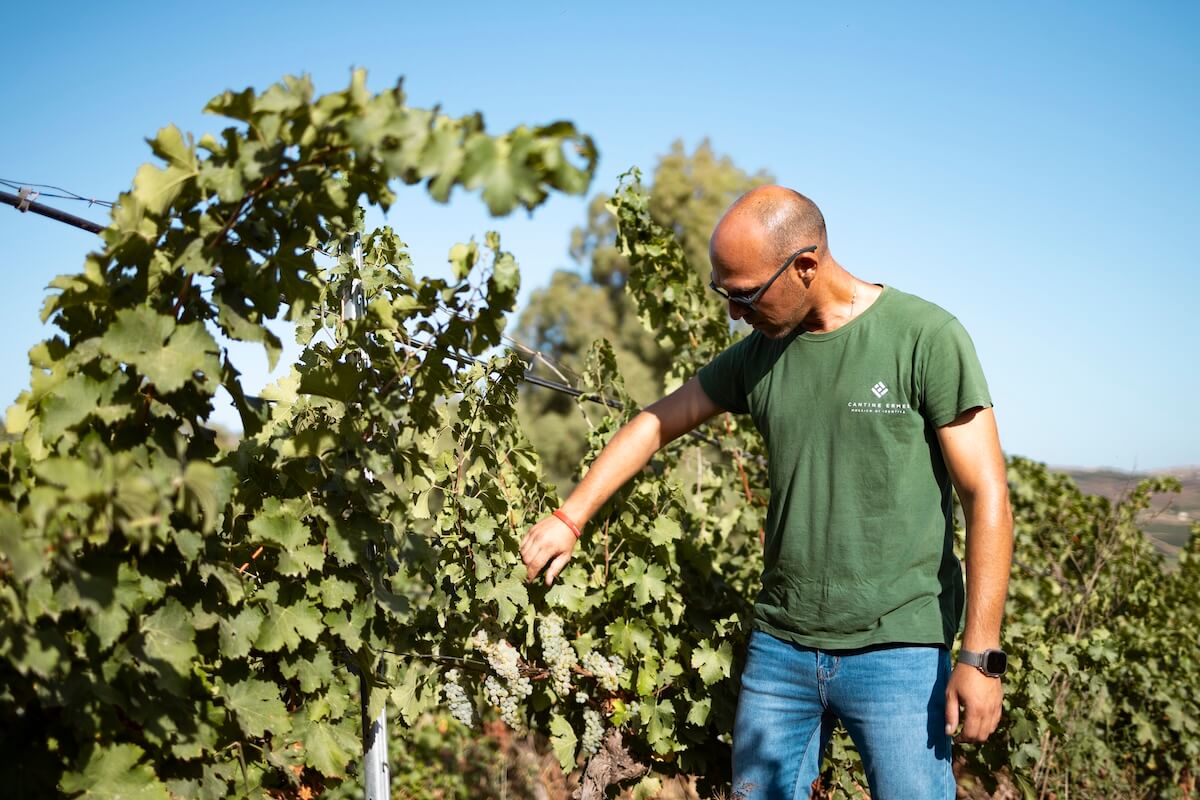
The 2026 harvest in Italy takes its first steps in western Sicily. Officially opening the season is Cantine Ermes, Italy’s largest first-tier wine cooperative, which begins the campaign with Pinot Grigio and the first early-ripening white varieties in the vineyards of the Trapani area. Thus begins a journey that will accompany the cooperative for approximately 100 days, crossing seven Italian regions, involving more than 3,000 winegrowers, 16 production facilities and over 16,000 hectares of vineyards.
The vintage is marked by complex climatic conditions, expected lower yields and strong phytosanitary pressure, yet the first grapes harvested suggest encouraging quality prospects.
Sicily Opens a 100-Day 2026 Harvest Season
The harvest begins in the vineyards of western Sicily, one of the earliest ripening wine regions in Italy.
From here, the harvest will follow the natural ripening calendar of the grapes throughout the country, involving the territories where Cantine Ermes operates: from the Prosecco area of Veneto to Lombardy’s Oltrepò Pavese, passing through Emilia-Romagna, Marche, Abruzzo, Puglia and once again Sicily, where the campaign will traditionally conclude with the final deliveries from the vineyards of Mount Etna.
This scale represents one of the cooperative’s distinctive strengths, integrating territories, grape varieties and wine identities that are profoundly different into a single production vision.
A Challenging 2026 Growing Season Between Heavy Rainfall and Phytosanitary Pressure
The 2026 growing season has been characterised by particularly complex weather conditions.
The abundant rainfall recorded during winter and spring helped replenish important water reserves in the soils, but at the same time created significant phytosanitary pressure.
This situation required intensive vineyard monitoring and technical assistance, with constant interventions aimed at protecting plant health.
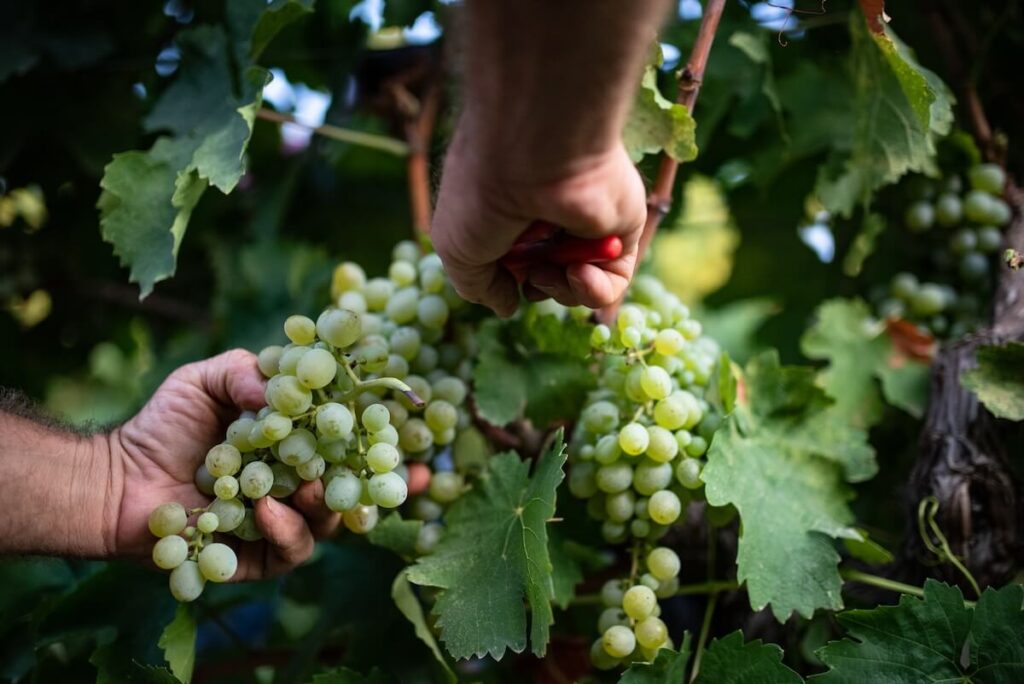
Further complicating the picture were episodes of poor fruit set during flowering across several production areas, a circumstance that will inevitably affect the harvest’s quantitative potential.
2026 Harvest: Quality Under Close Observation in the Trapani Vineyards
The first harvests come from the hilly areas of the Trapani province, where climatic conditions over recent months have favoured balanced grape development.
Constant ventilation, an early summer characterised by generally moderate temperatures through much of June and marked day-night temperature variations have helped preserve freshness, acidity and aromatic complexity.
During July, however, two distinct heat peaks accelerated the ripening process of the earliest varieties, making precise harvest timing essential.
These factors make the opening phase of the harvest particularly delicate, but according to the first observations, they appear to have favoured a positive qualitative balance.
Rosario Di Maria, President of Cantine Ermes: “The First Grapes Show Interesting Quality Characteristics”
Providing an assessment of the beginning of the harvest is Rosario Di Maria, President of Cantine Ermes:
“The harvest represents every year the most delicate moment in the work carried out by our member winegrowers and by the cooperative’s technical team. Spring weather conditions required extraordinary agronomic commitment. Phytosanitary pressure was high and yields will most likely be lower than in an average vintage. The first grapes delivered, however, show good balance and interesting quality characteristics. It is still too early to formulate an overall assessment of the 2026 harvest, but the first results confirm that the work carried out in the vineyards and the timeliness of harvest operations are making it possible to maximise the potential of the production.”
The vintage therefore presents a dual profile: quantitatively smaller than normal, but with qualitative potential that could prove particularly interesting.
A Harvest Campaign on a National Scale
The 2026 harvest also confirms the extraordinary scale of the Cantine Ermes production model.
For approximately 100 days, the harvest will follow the progressive ripening of grapes across some of Italy’s most important wine districts, bringing together territories that differ greatly from one another.
From Sicily to Veneto, from Oltrepò Pavese to Salento, and finally to the slopes of Mount Etna, the cooperative manages one of the largest and most diversified harvest campaigns in the Italian wine sector every year.
This broad presence allows Cantine Ermes to interpret Italian wine through multiple territorial identities, enhancing their unique characteristics and production vocations within a single cooperative project.
At this early stage of the 2026 harvest, any definitive evaluation remains inevitably premature. Nevertheless, the first deliveries from western Sicily suggest a scenario in which lower yields could be offset by potentially promising quality, supported by careful vineyard management and timely harvesting.
The continuation of the campaign, over the 100 days that will lead from the vineyards of Trapani to the slopes of Mount Etna, will determine the true profile of the 2026 Cantine Ermes harvest.
It is shaping up to be a challenging season that, precisely for this reason, may reward the work carried out in the vineyards and the ability to respond accurately to the challenges imposed by the climate.


