


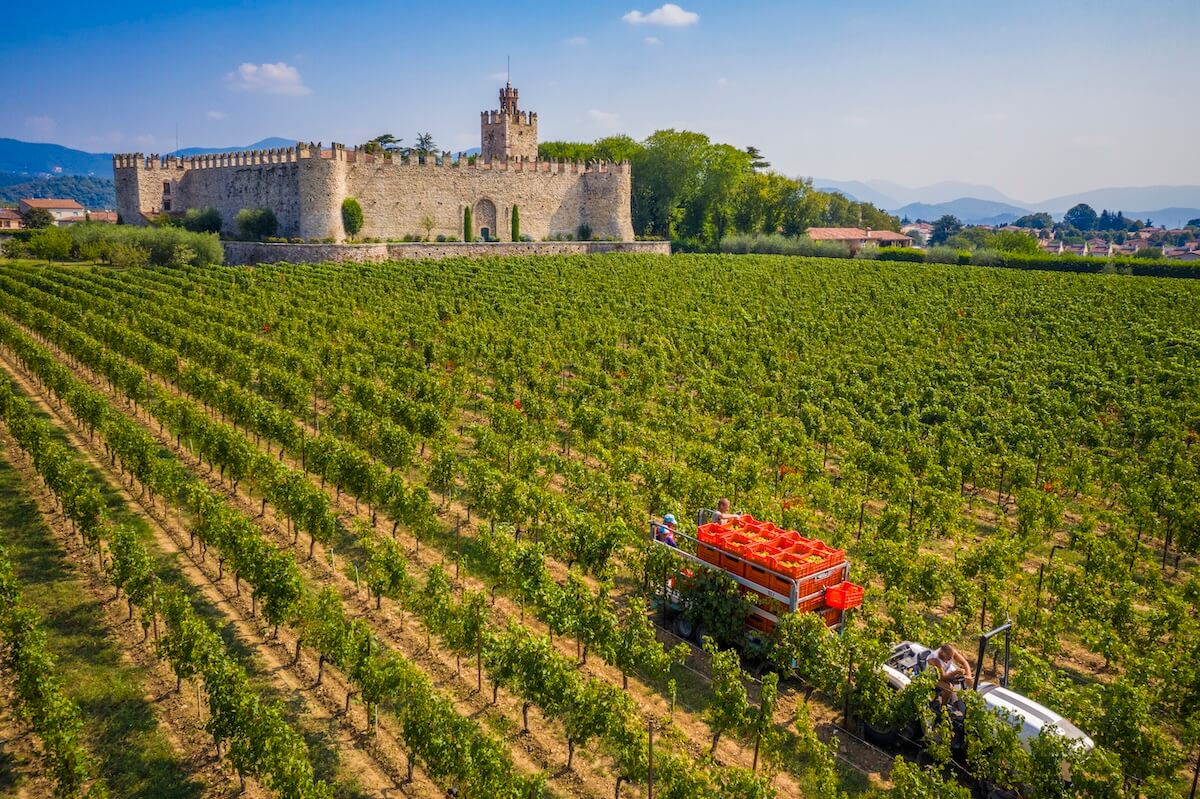
Franciacorta is opening an unprecedented chapter in its winemaking history. On 30 July, the 2026 harvest begins—an advance never seen before for the Lombard denomination, which has traditionally started picking later in the season. The event highlights the growing impact of climate change on the vineyards. In a scenario marked by record temperatures, reduced water availability and extreme weather events, Franciacorta approaches the new vintage by relying on the experience of its growers and their deep knowledge of the territory.
The first July harvest in Franciacorta’s history
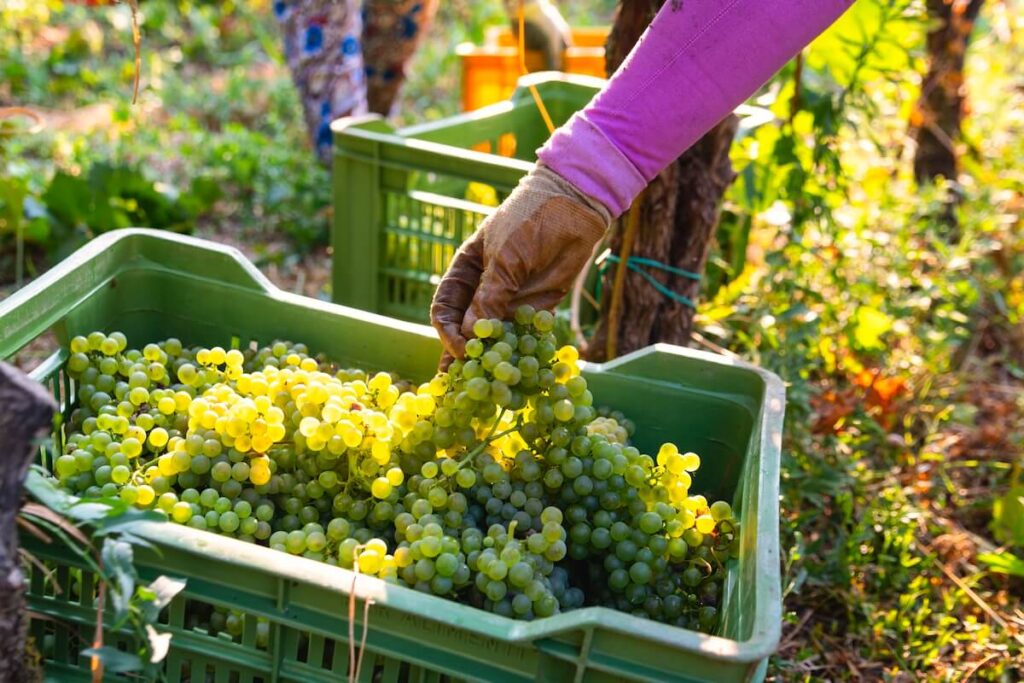
Grape picking begins in the areas of Gussago and Monte Orfano on 30 July, a date that marks a turning point for Franciacorta.
It is the first time in the denomination’s history that the harvest starts in July, an anticipation driven by recent climatic trends and by the need to preserve the quality and balance of the grapes.
According to the Franciacorta Consortium, this extraordinarily early start is one of the clearest effects of the frequent climatic fluctuations that have characterised recent seasons, requiring increasingly rapid adaptation of agronomic practices.
Highlighting the significance of the 2026 harvest is the president of the Franciacorta Consortium, Emanuele Rabotti:
“Nature sets the pace, and we adapt to its rhythm, observing carefully what happens in the vineyards and intervening accordingly. This year, high temperatures and limited water availability accelerated grape ripening, leading us to bring forward the start of the harvest. The knowledge of the territory and the daily work of our growers allow us to face each season with attention and promptness, with the aim of preserving the quality of the grapes and our wines.”
A 2026 vintage marked by extreme temperatures
The 2026 season unfolded under a particularly dynamic climate.
After a winter without major anomalies, temperatures rose sharply between February and April, accelerating the vine’s vegetative cycle. Budbreak occurred more than a week earlier than the historical average, significantly reshaping the seasonal calendar.
Climatic evolution continued with an exceptional May, which matched the historical record for the number of days above 32°C. June also ranked among the hottest months of the past twenty-nine years, contributing to making 2026 one of the warmest vintages of recent decades.
Hailstorms and water scarcity: the challenges of the 2026 harvest
High temperatures were accompanied by particularly intense weather events.
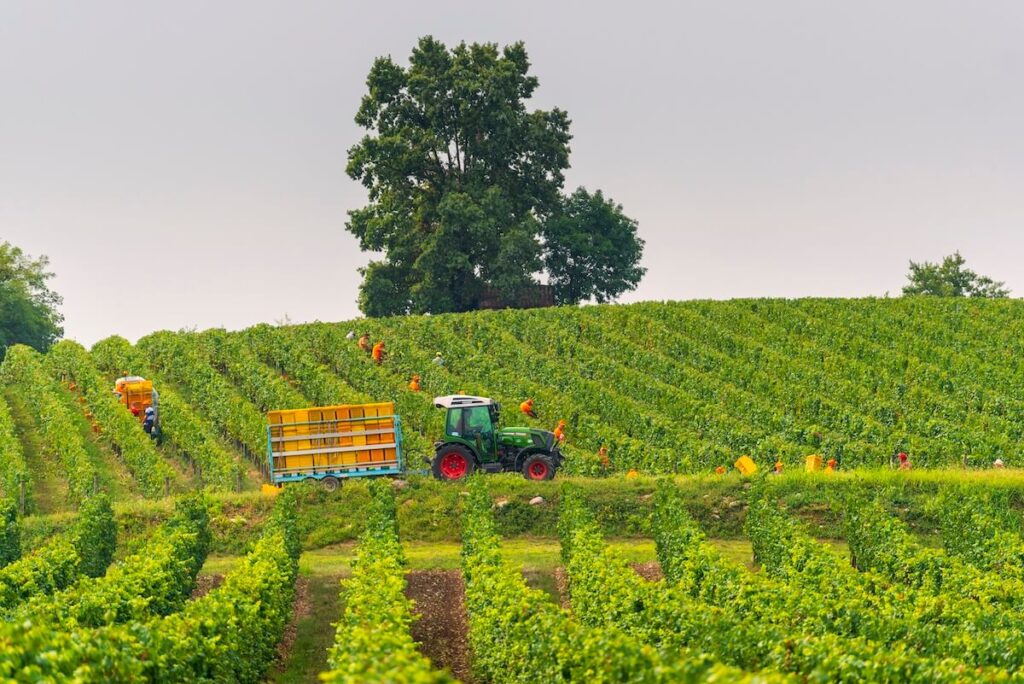
Between May and June, several areas of Franciacorta were hit by hailstorms on 6, 11 and 14 May, followed by another event on 10 June. The impact varied across zones, but subsequent favourable weather conditions allowed for good fruit set and regular vegetative development.
The season was also marked by below-average water availability. As of 12 July, cumulative rainfall was still 25% lower than historical values, although early-summer showers partially improved the seasonal balance.
Harvest 2026: the decisive role of growers
High temperatures and reduced water availability slowed vegetative growth in the second part of the season, especially in well-drained soils and younger vineyards.
Despite this, grape ripening progressed without major issues. According to the Consortium, the daily work of growers was crucial, as they were required to interpret the needs of each vineyard and constantly adapt agronomic management to the specific conditions of individual plots.
A confirmation of how the human factor remains central to safeguarding the quality of a prestigious denomination like Franciacorta.
The return of rainfall rebalanced the season
From mid-July onwards, the weather pattern began to shift.
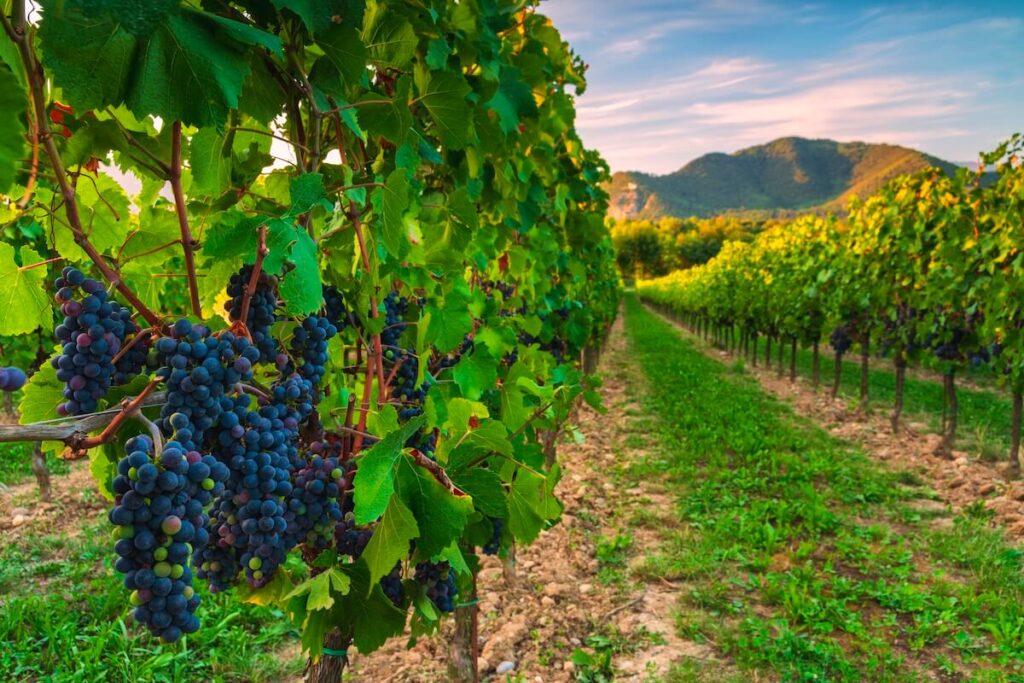
The return of rainfall—though accompanied by additional hail events—helped restore part of the soil’s water reserves. At the same time, temperatures returned to seasonal averages, supporting a more regular ripening phase in the weeks leading up to harvest.
This rebalancing allowed the denomination to approach the start of the 2026 harvest with greater confidence compared to the more critical scenarios feared earlier in the summer.


