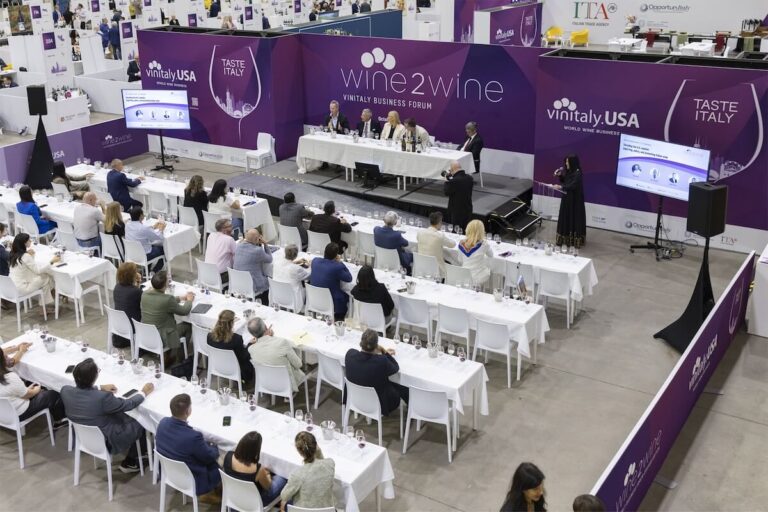


It all began on October 19, 2006, with a wine tasting in New York. Twenty years later, the United States remains Alto Adige’s second-largest export market for wine and its fourth-largest market by sales volume. Despite the challenges, the ties built over two decades remain strong. The anniversary called for a celebration. On Tuesday, October 6, around 30 Alto Adige wine producers gathered in New York to present their wines to approximately 200 American wine professionals, mainly sommeliers, importers and restaurateurs.
The programme also included a series of masterclasses led by Madeline Puckette, co-founder of the US wine education platform Wine Folly. The event was organised by IDM Alto Adige in collaboration with the Alto Adige Wine Consortium.
Yet behind the celebrations lies a more challenging reality, as tariffs and the Trump administration’s protectionist trade policies continue to weigh on the US market.
Alto Adige Wines in New York: Where the American Journey Began
To understand the significance of this anniversary, we need to return to October 19, 2006.
That day, 34 prominent wine journalists, critics and opinion leaders from across the United States gathered in New York for their first introduction to the remarkable diversity of Alto Adige wines.
The tasting was organised by the Chamber of Commerce, which was still responsible for promoting the region’s wines at the time. The venue was Alto Restaurant on Madison Avenue, where guests were also introduced to Alto Adige’s history and winemaking culture.
Pinot Bianco, Gewürztraminer, Pinot Nero and Lagrein were the stars of the tasting.
The response was so encouraging that, just a few months later, in February 2007, the wine promotion office of the Bolzano Chamber of Commerce returned to New York with an even larger tasting.
Those two events laid the foundations for Alto Adige’s collective wine promotion strategy in the United States.
Twenty Years of Wine Promotion: A Strategy That Still Delivers
Since those early tastings, Alto Adige has steadily strengthened its presence in the American market.
Consistent media outreach, relationships with opinion leaders, advertising campaigns, tastings and a calendar of events, particularly in major cities, have all contributed to raising awareness of the region’s wines.
Two decades on, this approach remains a cornerstone of Alto Adige’s international wine promotion strategy.

Today, these efforts are led by the Alto Adige Wine Consortium, whose Director, Eduard Bernhart, explains why the United States continues to matter:
“The US is our fourth-largest market by sales volume and our second most important export market for Alto Adige wines, which is why it remains a priority for us.”
But what is it about Alto Adige wines that appeals to American consumers?
“Our wines, particularly our fruit-forward whites, are highly appreciated in the United States. This is also thanks to our strong presence in Italian restaurants and, not least, the natural curiosity of American consumers.”
Tuesday’s anniversary event built on this longstanding relationship. Alongside the tasting, Madeline Puckette’s masterclasses explored some of Alto Adige’s finest wines, with a particular focus on their ageing potential.
US Tariffs and Protectionism: the Challenges Facing Alto Adige Wines
The anniversary celebrations, however, cannot disguise the difficulties facing wine exporters in the United States.
In recent years, operating in the American market has become increasingly challenging.
Margit Gamper, Director of Business Development at IDM Alto Adige, points to the impact of US trade policy:
“The Trump administration is hampering exports through its protectionist approach and aggressive tariff policies. As a result, our products, including wines, have become significantly more expensive in retail outlets and restaurants, leading to a considerable slowdown in sales in the United States.”
Despite these uncertainties, the United States remains a strategic market for Alto Adige wines.
And twenty years after that first tasting in New York, it continues to hold considerable commercial appeal for the region’s producers.